
7 budgeting myths that keep people poor!If you have ever tried budgeting and felt like it just does not work, you’re not alone. Many people start with good intentions, only to feel frustrated a few weeks later. The numbers don’t add up, unexpected expenses pop up, and suddenly the whole plan falls apart.
At some point, you might even start thinking, “Maybe budgeting just isn’t for me.”
But here’s the truth: it’s not budgeting that’s failing you it’s the myths around it.
A lot of common budgeting advice sounds good on paper but doesn’t hold up in real life. And when you follow the wrong ideas long enough, they can quietly keep you stuck in the same financial position.
Let’s break those myths down and replace them with something that actually works.
Why Budgeting Feels So Hard for Most People
Before we get into the myths, it’s worth understanding why budgeting feels difficult in the first place.
Most budgeting advice assumes:
- Your income is consistent
- Your expenses are predictable
- You have perfect discipline
But real life doesn’t work like that.
Sometimes your income fluctuates. Emergencies happen. Prices go up. And some days, you just want to enjoy your money without guilt.
When your budget doesn’t reflect reality, it becomes something you avoid instead of something that helps you.
Myth #1 – Budgeting Means Restricting Yourself
One of the biggest misconceptions is that budgeting is all about saying “no” to everything.
No eating out.
No fun.
No spontaneous spending.
That kind of thinking makes budgeting feel like punishment and anything that feels like punishment is hard to stick with.
What actually works
Budgeting should give you control, not restriction.
Instead of cutting out everything you enjoy, plan for it:
- Set aside a small amount for entertainment
- Allow yourself guilt-free spending within limits
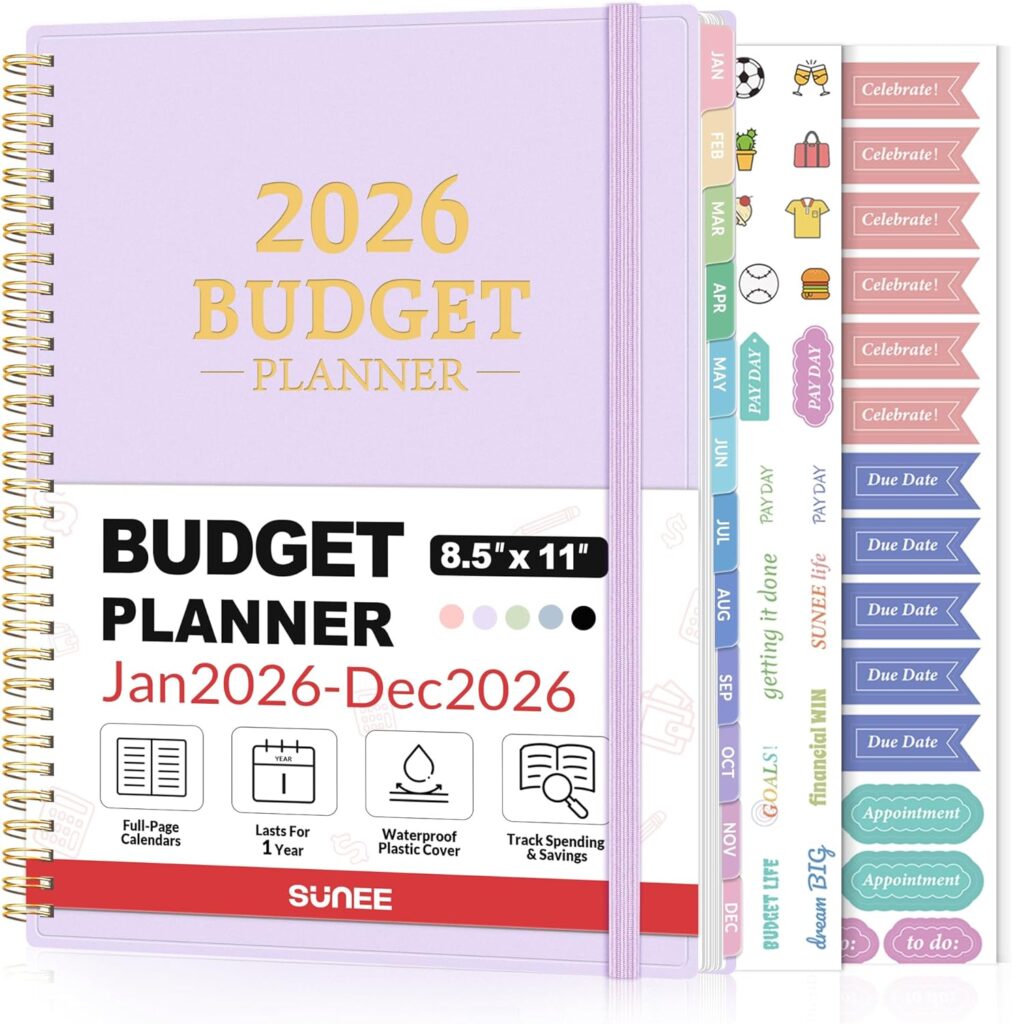
A simple budgeting planner can make this easier because it lets you see where your money is going without over complicating things:
👉 see customers review on amazon BudgetPlanner
When you include enjoyment in your plan, budgeting becomes sustainable.
Myth #2 – You Need a High Income to Budget
It’s easy to think budgeting only works when you earn a lot. But in reality, the opposite is true.
When money is limited, every decision matters more.
Avoiding budgeting because your income is low is like avoiding a map because you’re lost. It’s exactly when you need it most.
A better way to look at it
Start with what you have:
- Track your expenses
- Identify small leaks (like subscriptions or impulse buys)
- Prioritize essentials
Even small adjustments can create breathing room over time.
Myth #3 – Budgeting Is Only About Cutting Expenses
If your entire focus is on cutting costs, budgeting quickly becomes exhausting.
You feel like you’re constantly sacrificing, but not really moving forward.
The smarter approach
Think of budgeting as a balance between:
- Reducing unnecessary expenses
- Increasing your income where possible
This could mean:
- Learning a new skill
- Taking on a side hustle
- Finding better opportunities
Budgeting is not just about saving—it’s about building a better financial position.
Myth #4 – You Must Track Every Single Coin
Tracking every cent sounds like the “right” thing to do, but for most people, it’s not realistic.
It becomes time-consuming and mentally draining. And eventually, you stop doing it altogether.
A simpler method
Use broad categories instead:
- Needs (rent, food, bills)
- Wants (entertainment, dining out)
- Savings
This gives you clarity without overwhelm.
If you prefer digital tracking, simple tools or guides can help streamline the process.
The goal is consistency, not perfection.
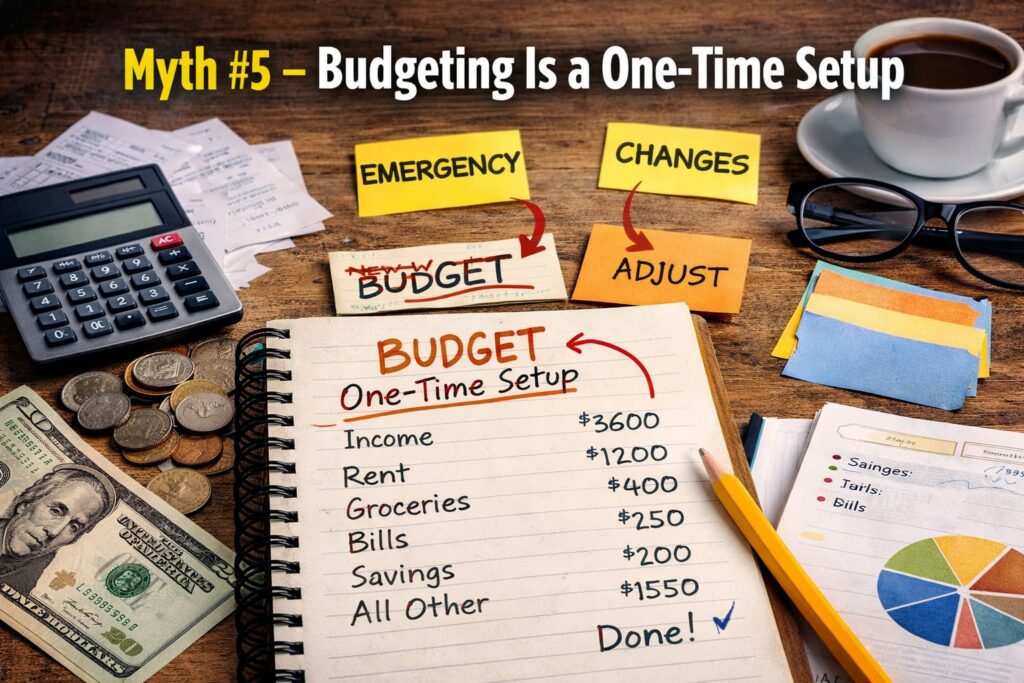
Myth #5 – Budgeting Is a One-Time Setup
A lot of people treat budgeting like a set-and-forget system.
They create a plan once and expect it to work forever.
But life changes:
- Your income may increase or decrease
- New expenses come in
- Priorities shift
What works better
Your budget should evolve with your life.
- Do a quick weekly check-in
- Review it monthly
- Adjust when necessary
Think of it as something you manage, not something you finish.
Myth #6 – If You Fail Once, Budgeting Isn’t for You
This one stops a lot of people from ever improving.
They try budgeting, make mistakes, and decide it’s not for them.
But failing at budgeting once (or even multiple times) is normal.
A better mindset
Instead of quitting, ask:
- What didn’t work?
- Was the budget too strict?
- Did I forget certain expenses?
Then adjust and try again.
Budgeting is a skill and like any skill, it improves with practice.
Myth #7 – Budgeting Will Solve All Your Money Problems
Budgeting is powerful, but it’s not a complete solution.
It won’t fix everything on its own.
If your income is too low or your habits are working against you, budgeting alone won’t change that.
The bigger picture
Use budgeting as a foundation, then build on it with:
- Saving consistently
- Learning about investing
- Increasing your income over time
That’s where real progress happens.
3 Simple Budgeting Ideas That Actually Work
Now that we’ve cleared the myths, here are a few practical ideas you can start using immediately.
1. The 50/30/20 Rule
This method is simple and flexible:
- 50% for needs
- 30% for wants
- 20% for savings
It’s not perfect for everyone, but it’s a great starting point.
2. Pay Yourself First
Before you spend anything, set aside a portion for savings.
Even if it’s just 5–10%, it builds discipline and creates a habit over time.
3. Use Visual Tracking
Sometimes, seeing your progress makes all the difference.
A simple whiteboard or planner can help you stay aware of your spending:

👉 buy from amazon Budget Whiteboard
When your finances are visible, they’re easier to manage.
How to Build a Budget That Actually Works
If you’re starting fresh, keep it simple.
Step 1 – Know Your Numbers
Understand:
- How much you earn
- What you spend
- Where your money goes
Step 2 – Set Priorities
Decide what matters most:
- Rent and essentials come first
- Then savings
- Then lifestyle choices
Step 3 – Keep It Flexible
Don’t make your budget too strict.
Leave room for unexpected expenses and real-life situations.
Step 4 – Review and Adjust
Check in regularly:
- Weekly for small tweaks
- Monthly for bigger changes
Progress comes from consistency, not perfection.
Final Thoughts
Budgeting isn’t about being perfect or cutting out everything you enjoy.
It’s about understanding your money and making intentional decisions.
Most people struggle not because they don’t try, but because they follow advice that doesn’t match real life.
Once you let go of the myths, budgeting becomes simpler and more effective.
Frequent Asked Questions About Budgeting Myths {FAQs}
Is budgeting really necessary if I earn little?
Yes. Budgeting helps you make the most of what you have and avoid unnecessary waste.
How long does it take to see results?
You may notice small improvements within a few weeks, but meaningful change usually takes a few months of consistency.
What’s the easiest method to start with?
The 50/30/20 rule is one of the simplest and most beginner-friendly approaches.
Can I budget without apps?
Absolutely. A notebook or simple planner works just fine.
What if I keep failing?
That’s part of the process. Adjust your approach and keep going budgeting is a skill you build over time.
Ready to Take Control of Your Money?
You don’t need a complicated system to get started.
Pick one method.
Track your spending.
Make small improvements.
Over time, those small changes add up to something meaningful.
And that’s how real financial progress begins.