Getting your money under control does not have to feel like a mathematical test. Budget Planners for Beginners; Here at Princevale, we have spent a lot of time talking about how to make a home feel peaceful. Honestly, nothing ruins that sanctuary faster than the stress of an unexpected bill or the creeping “subscription fatigue” we’re all feeling in 2026.
With rising grocery costs and digital inflation, it’s easy to feel like your paycheck disappears the moment it hits your account. I’ve found that the simplest way to stop that “leaking” is to actually write things down. There is something about the physical act of pen-to-paper that creates financial mindfulness.
If you’re ready to stop guessing and start saving, here are the 7 best budget planners for beginners that I truly recommend for 2026.
Quick Comparison: Which Planner Fits Your Life?
| Planner | Best For… | Key Feature |
| Clever Fox | Total Beginners | Goal-setting stickers & undated pages |
| Erin Condren | On-the-Go | Slim, portable A5 size |
| Soligt | Cash Envelope Fans | Built-in pockets for physical cash |
| Digital Templates | Tech-Savvy Minimalists | Zero paper waste; tablet compatible |
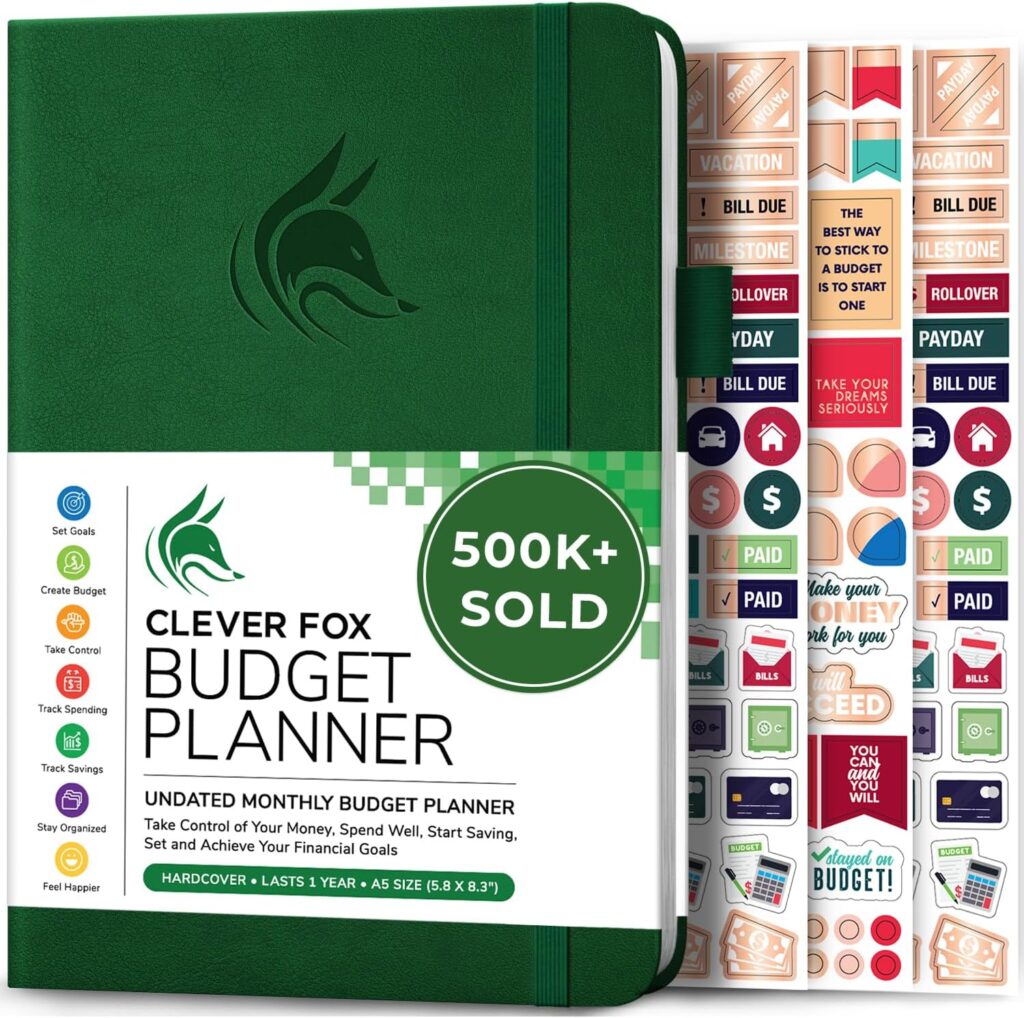
1. Clever Fox Budget Planner (The All-Rounder)
If you are not sure where to start, the Clever Fox Budget Planner is usually my first suggestion. It is not just a list of expenses; it’s designed to help you figure out what you’re actually saving for.
Princevale Personal Pick: We actually used the Clever Fox for a 30-day “No-Spend” challenge last spring. The biggest win? We realized we were spending $120 a month on streaming services we weren’t even watching. That one insight paid for the planner five times over!
- No Dates: Start on any Tuesday of the year without wasting pages.
- Goal Focused: Keeps you motivated when you’re tempted by a “flash sale.”
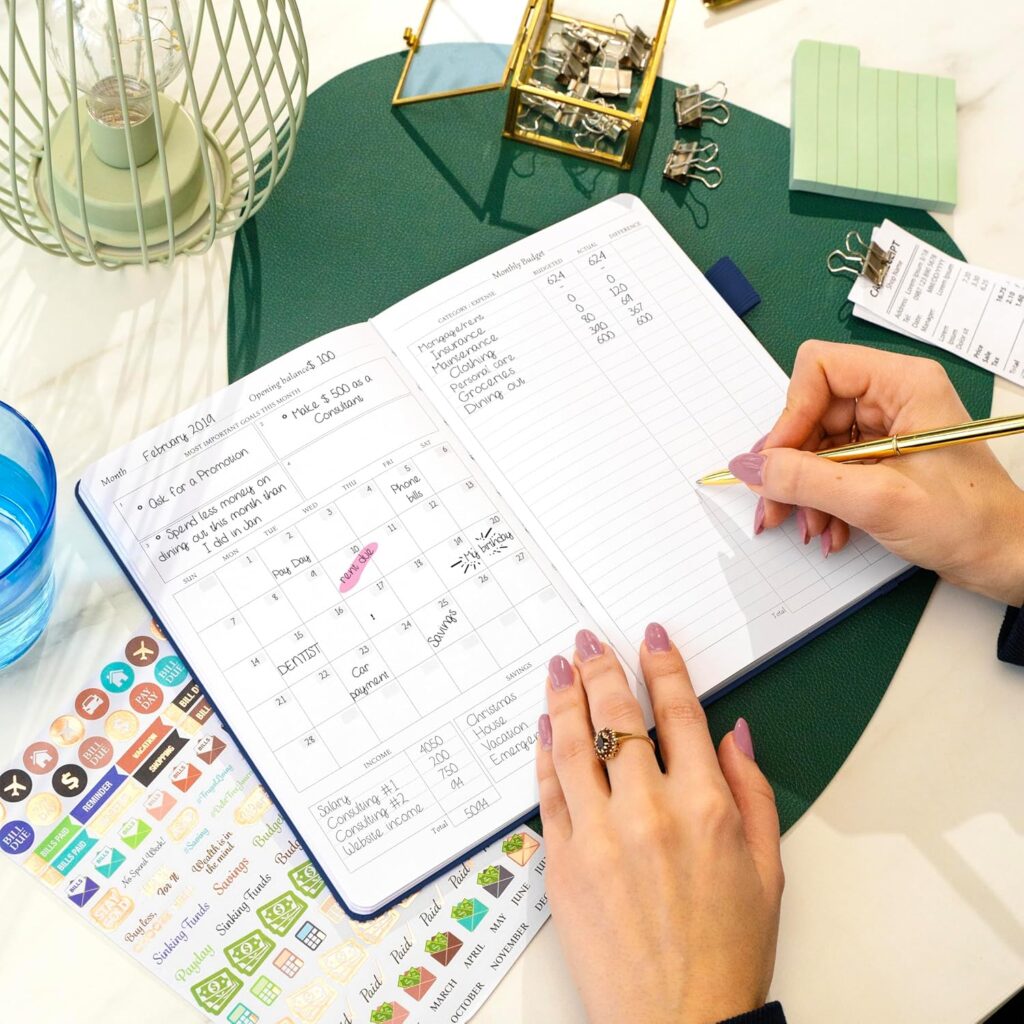
2. Legend Budget Planner (For the Dreamers)
The Legend Budget Planner is perfect if you like to see the “big picture.” It’s colourful and includes sections for reflection and life-goal integration.
- Aesthetic & Sturdy: It looks lovely on a coffee table, making you more likely to use it.
- Mindset Prompts: Helps you look at why you spend, helping to curb emotional shopping.
3. Erin Condren PetitePlanner (Perfect for Small Spaces)
I love a minimal home, and I don’t always want a giant binder taking up space. The Erin Condren Petite Planner is slim, portable, and very straightforward.
- Portable: Toss it in your bag to jot down a purchase the moment it happens.
- Simple Layout: Removes the “noise” and focuses on the essentials.
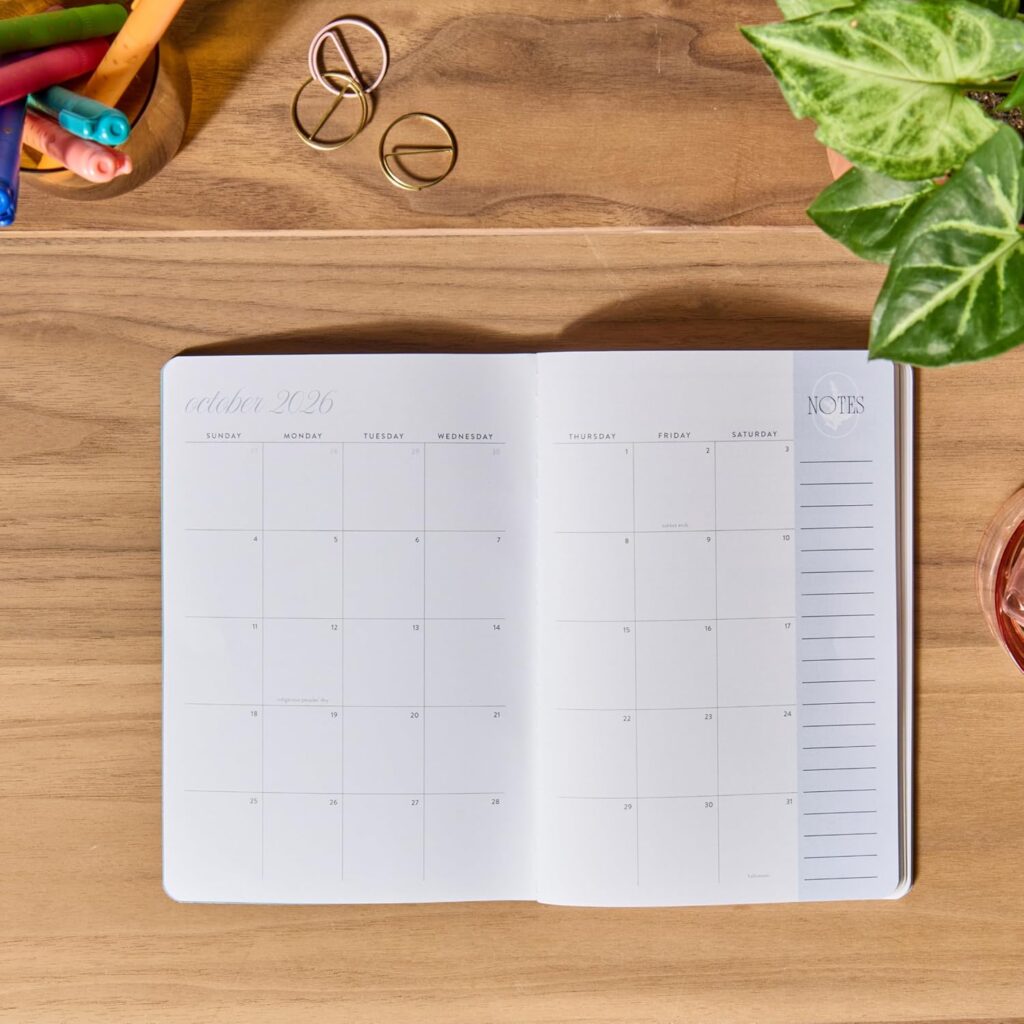
4. Soligt Budget Planner (Best for Cash Fans)
If you use the “cash envelope” system where you use physical money for things like groceries or dining out the Soligt Budget Planner is a perfect fit.
- Built-in Pockets: Keeps your cash stuffing envelopes and receipts organized in one place.
- Lifestyle Design: Feels like a high-end journal rather than a boring bank ledger.
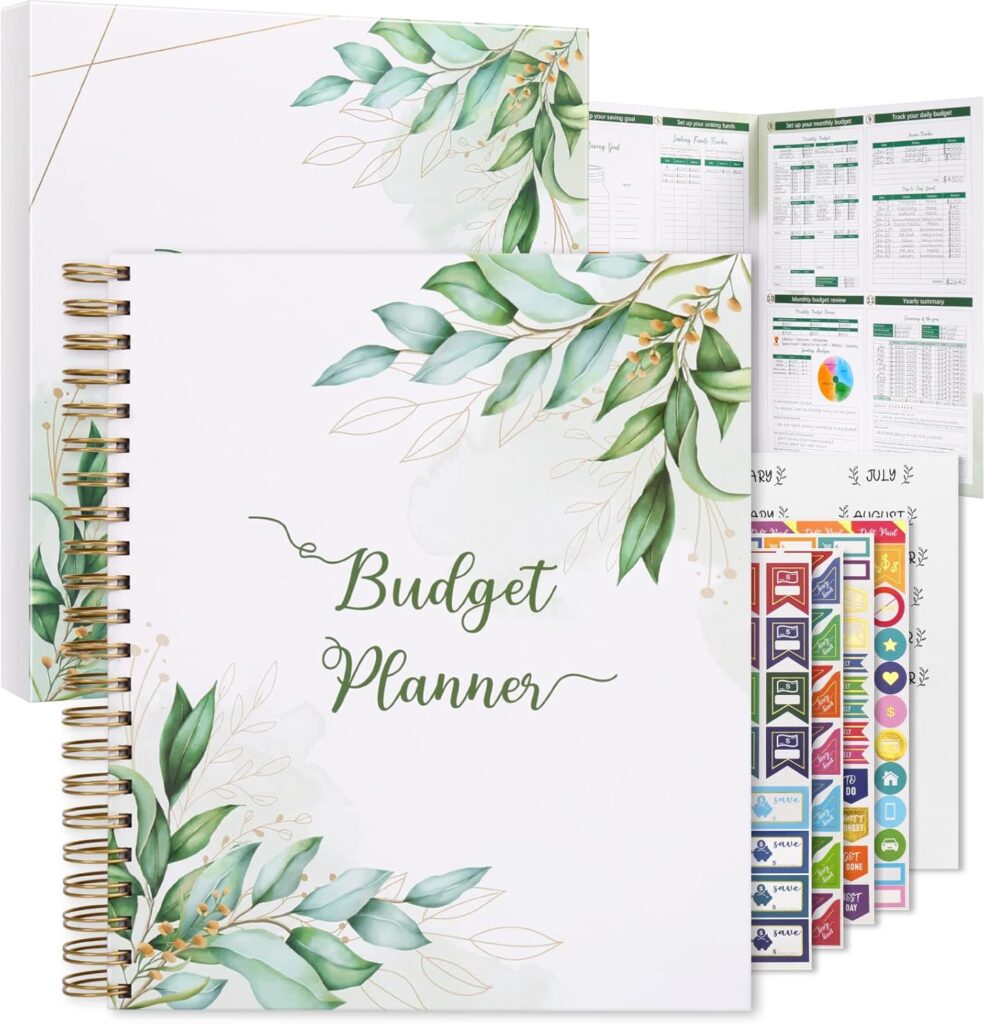
5. Simplified by Emily Ley (The Minimalist Choice)
Sometimes, too many bells and whistles lead to burnout. The Simplified Planner focuses on clarity and white space.
- Zero Clutter: Perfect for beginners who get overwhelmed by complex spreadsheets.
- Easy Tracking: Focuses on daily wins rather than complicated debt snowball math.
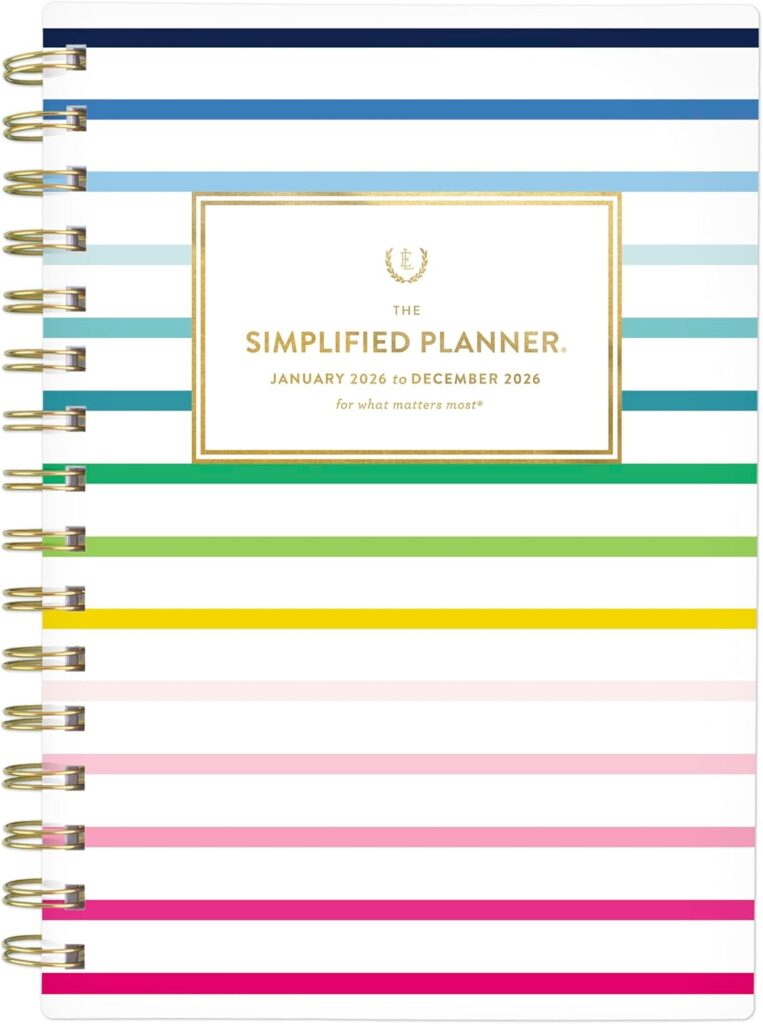
6. The “Budget by Paycheck” Workbook
This is for anyone living paycheck to paycheck who wants to break that cycle. It uses zero-based budgeting, meaning every dollar is given a “job” the moment it arrives.
- Realistic: Acknowledges that life happens in cycles, not just on the 1st of the month.
- Detailed: Great for those who really want to dig into where every cent goes.
7. Goodnotes Digital Templates (The Paperless Option)
If you already use a tablet for your gardening notes or meal planning, a digital planner is a game-changer. You get the “pen-to-paper” feel without adding another book to your shelf.
- Eco-Friendly: No paper waste and infinite “undo” buttons.
- Customizable: Move sections around to fit your specific family needs.
A Few Tips for Budgeting Success
Choosing a planner is like choosing a pair of shoes it has to fit your lifestyle.
- Don’t overcomplicate it. If you hate math, don’t get the most complex workbook on the market.
- Be honest. The planner only works if you’re honest about that $5 coffee or the random grocery run.
- Use Sinking Funds. Use your planner to save small amounts monthly for big yearly costs like car insurance or holiday gifts so they don’t feel like emergencies later.
Frequently Asked Questions for Budget Planners for Beginners
Do I really need a physical planner in 2026?
You don’t need one, but there’s a psychological “click” that happens when you write a number down. It makes you more aware of your spending than a phone app that sends a notification you might just swipe away. Plus, physical planners are 100% secure from data leaks!
How do I start budgeting if I’m living paycheck to paycheck?
Start with the Paycheck Workbook method. Focus on the money you have right now to cover your immediate bills, then slowly build a small “buffer” over time.
How much time does this take?
About 5 -10 minutes a day to log expenses, and maybe 20 minutes at the end of the month to see how you did.
Is it too late to start a budget mid-year?
Never. That’s why we recommend undated planners like the Clever Fox you can start today and make this the month everything changes.
Finishing Up for Budget Planners for Beginners
At the end of the day, a budget planner is just a tool. It won’t save the money for you, but it will give you the clarity to make better choices. Whether you want to save for a kitchen refresh or just want to stop feeling stressed before payday, taking this first step is huge.
You’ve got this. Take it one day at a time, and remember that even small savings add up to a big difference in your home’s peace and stability.
Ready to give it a try?
I personally love the Clever Fox layout for getting started.