

Managing money is already a challenge, but it becomes even harder when your income is not the same every month. Some months you earn more, other months less, and that uncertainty can be stressful. To Budget with irregular income is an elephant in the house but with Budget with irregular income and strategy it is doable
The good news is that with the right approach, you can still stay in control and build a stable financial life, even with irregular income. with time you will be in a position to invest even though you will start small
1. Know Your Minimum Monthly Needs
Start by identifying your most important expenses:
- rent
- food
- transport
- utilities
This is your bare minimum survival budget.
Once you know this number, it becomes easier to plan. No matter how your income changes, your first goal is always to cover these essentials.
2. Use Your Lowest Income as Your Base
Instead of budgeting from your best month, use your lowest earning month as your guide.
This helps you:
- avoid overspending
- stay prepared during slow months
- reduce financial stress
Any extra money you earn in better months becomes a bonus, not something you depend on.
3. Build a Small Emergency Fund First
When your income is unstable, an emergency fund is not optional it’s necessary.
Start small:
- save a little from every payment
- aim for at least 1–3 months of expenses
Even a small cushion can help you:
- pay bills during low-income periods
- avoid debt
- feel more secure
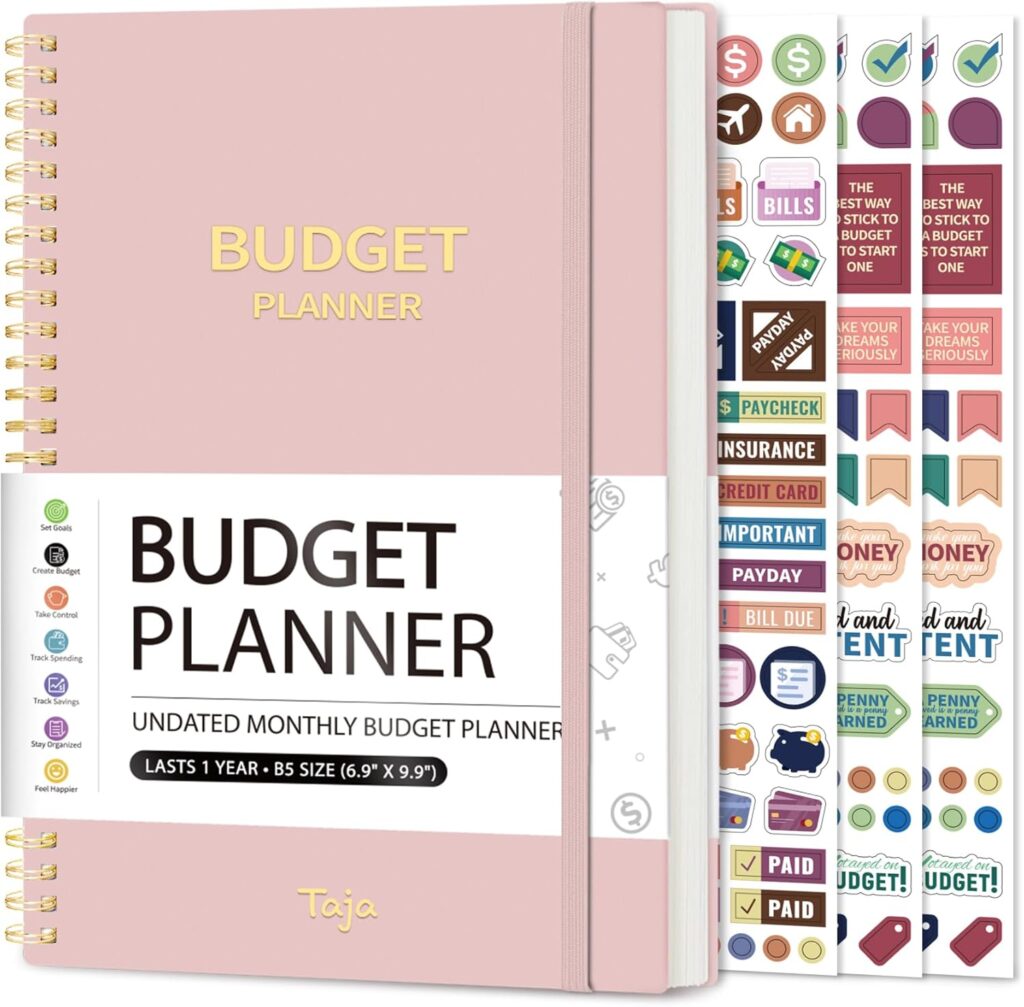
👉 A simple way to stay consistent is by using a budget planner like the Legend Budget Planner Notebook (great for tracking irregular income and expenses).
4. Separate Needs from Wants
When money is not consistent, you have to be more intentional.
Ask yourself:
- Do I need this now?
- Can this wait?
Focus on:
✔ needs first
✔ wants later (only when there’s extra money)
This habit alone can save you a lot.
5. Create a Flexible Budget System
Instead of a strict monthly budget, use a flexible system.
For example:
- when income comes in, divide it into categories
- adjust spending depending on how much you received
You can even use the cash envelope system to control spending in different areas like food, transport, and personal use.
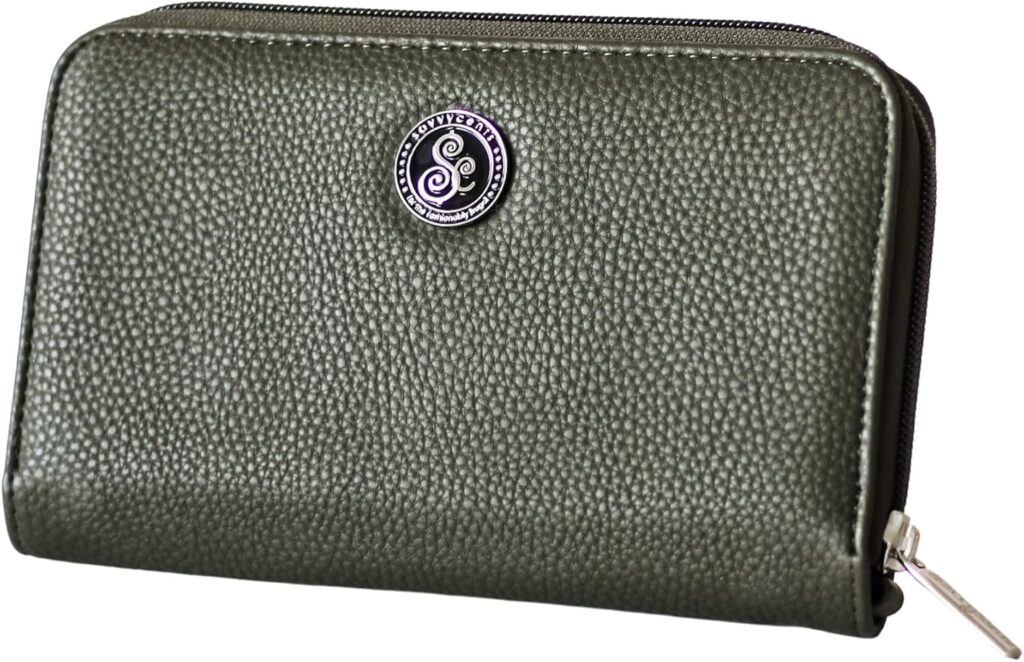
👉 Tools like the SavvyCents Cash Envelope Wallet can help you stay disciplined and avoid overspending.
6. Save More During High-Income Months
When you earn more, avoid the temptation to increase your spending immediately.
Instead:
- save the extra money
- pay off debts
- prepare for slower months
Think of high-income months as your preparation season.
7. Reduce Fixed Home Expenses
Since your blog focuses on home and lifestyle, this is very important.
Look for ways to reduce:
- electricity bills
- water usage
- unnecessary subscriptions
Simple changes at home can make a big difference over time.
8. Stay Consistent, Not Perfect
Budgeting with irregular income is not about being perfect.
Some months will be harder than others and that’s okay.
What matters is:
- staying aware of your money
- making small improvements
- not giving up

Final Thoughts
Living with irregular income can feel uncertain, but it doesn’t mean you can’t be financially stable.
With simple habits like:
- planning your essentials
- saving during good months
- controlling spending
you can create stability even when your income is not predictable.
Start small, stay consistent, and over time, you will feel more confident and in control of your finances.
Frequently Asked Questions for Budget with irregular income
1. How do I budget if my income changes every month?
The best way is to base your budget on your lowest monthly income. Focus on covering your essential expenses first, and treat any extra income as savings or bonus money.
2. What is the best budgeting method for irregular income?
A flexible budgeting system works best. Instead of fixed monthly limits, adjust your spending based on how much you earn each time. You can also use methods like the envelope system to stay in control.
3. Should I save money even when my income is low?
Yes, even if it’s a small amount. Saving consistently, no matter how little, helps you build an emergency fund over time and gives you security during low-income periods.
4. How much emergency fund do I need with irregular income?
It’s good to aim for at least 1 to 3 months of your essential expenses. If possible, you can gradually build it up to 6 months for more stability.
5. What should I do in high-income months?
Use those months wisely. Save more, pay off debts, and prepare for months when income might be lower. Avoid increasing your spending too quickly.
6. How can I reduce expenses when income is unstable?
Start by cutting unnecessary costs like unused subscriptions. Focus on saving money at home by reducing energy use, planning meals, and avoiding impulse purchases.
7. Is it possible to be financially stable with irregular income?
Yes, it is possible. With good planning, discipline, and consistent saving habits, you can build stability even if your income is not fixed.