
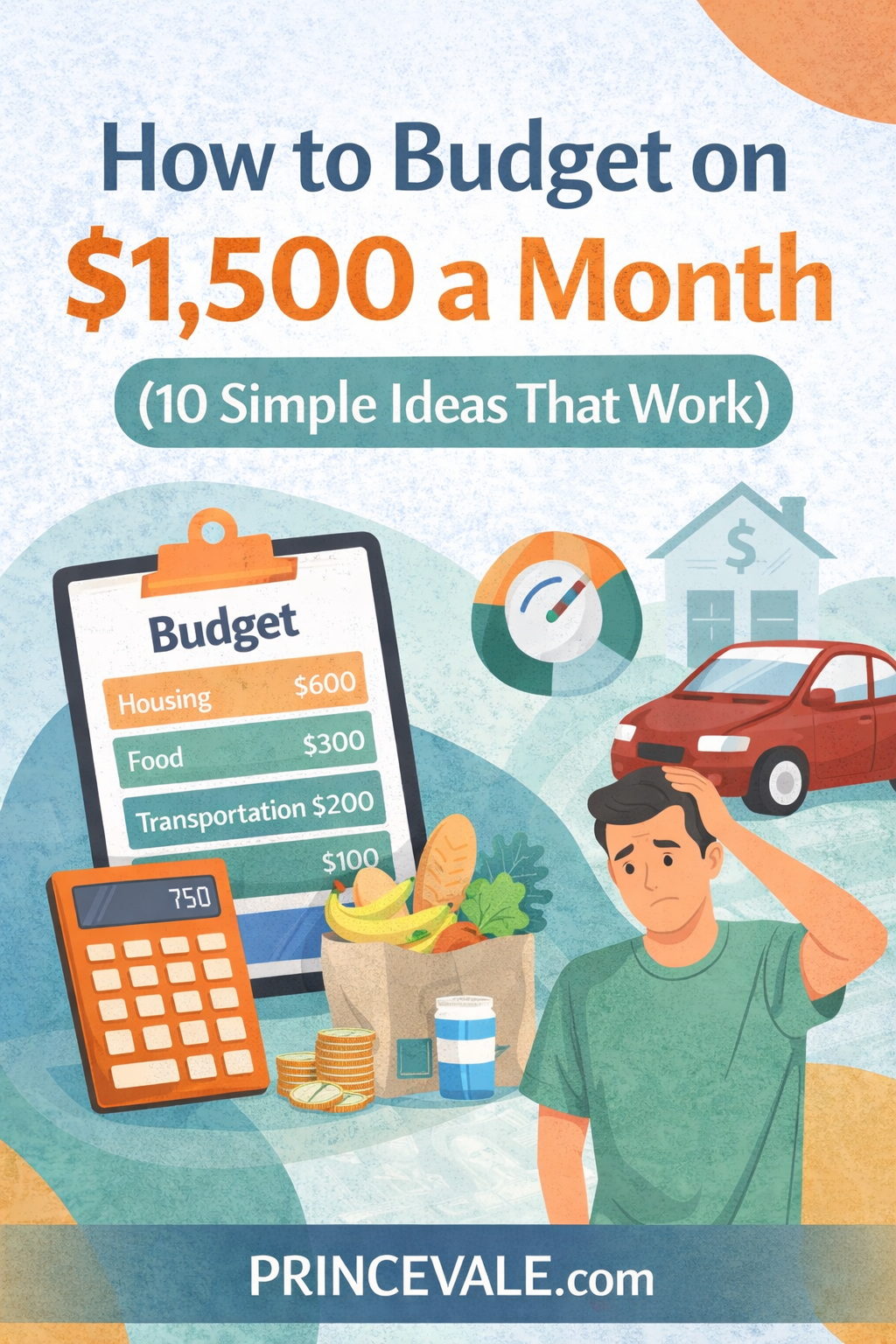
Hey there! I know how overwhelming budgeting can feel, especially if you’re just starting out. When I first tried managing my money, I kept getting lost in complicated spreadsheets, tracking every little penny, and stressing over tiny purchases. That’s when I realized the secret: you don’t need dozens of categories to budget effectively. In fact, keeping things simple works best.
Today, I’m sharing 7 current budget categories for beginners that I personally use and recommend. These are easy to follow, realistic, and will help you get your finances under control without feeling stressed. Plus, I’ll point out some tools and resources you can use to make this even easier
Why Budget Categories Are Essential for Beginners
Before we dive in, let’s talk about why budget categories matter. Categories are simply groups that organize your expenses and savings. They let you see exactly where your money is going, so you can make informed decisions.
Many beginners make the mistake of creating too many micro-categories, like “coffee,” “snacks,” or “impulse buys.” Trust me—this gets confusing fast and leads to burnout. That’s why current budget categories for beginners are so effective. They give structure without stress.
Pro tip: Using a budget tracking app can help you automate these categories and save time.
How Many Budget Categories Should You Start With?
For beginners, 5–7 categories are perfect. This keeps things manageable while covering all the essentials. You want your budget to show the big picture without overwhelming you with details.
Start simple. Once you’re comfortable, you can add optional categories for extra savings or lifestyle needs.
The 7 current Budget Categories for Beginners
1. Housing

Housing is usually the largest expense in any beginner budget, which is why it deserves close attention. This category includes rent or mortgage payments, utilities, and internet, and in some cases property taxes, HOA fees, or renter’s insurance. When I first started budgeting, I found it easiest to keep all housing-related costs in one simple category so I could clearly see how much of my income was going toward keeping a roof over my head.
A good guideline is to keep housing costs around 30% of your income, though this isn’t always realistic on a tight budget—and that’s okay. The goal is awareness, not perfection. Don’t forget to budget for renter’s or homeowner’s insurance, which is often affordable and protects you from costly surprises. You can compare budget-friendly coverage options here:
2. Food
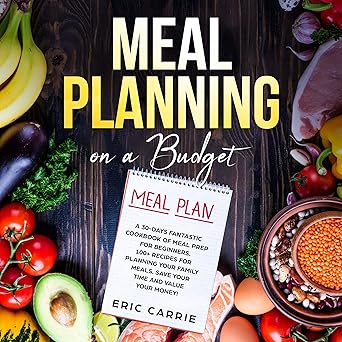
The food category covers groceries and eating out, and for many beginners, this is where money quietly slips away. When I started budgeting, I didn’t realize how much small grocery trips and takeout orders were adding up. That’s why it’s important to track food as one clear category instead of guessing at the end of the month.
To keep food spending under control, focus on meal planning and intentional grocery shopping. Cooking at home more often and limiting eating out can free up a surprising amount of money. Tools like meal planning apps or simple grocery lists can make this easier to stick to
Tips:
- Meal planning saves money and reduces waste
- Stick to a shopping list and avoid impulse buys.
3. Transportation

Transportation includes gas, public transportation, car payments, insurance, and basic maintenance. Even if you don’t drive, transportation costs still matter—bus passes, rideshares, or commuting expenses should all live in this category. Tracking transportation helps you avoid unexpected costs that can throw off your budget.
If transportation takes up a large portion of your income, look for ways to reduce it, such as combining errands, carpooling, or using public transit when possible. Using a budgeting app to track fuel and transport expenses can help you spot patterns and adjust quickly
Tips:
- Consider carpooling or public transportation.
- Track monthly expenses to avoid surprises
4. Personal & Household
This category covers toiletries, personal care items, cleaning supplies, and everyday household essentials. These are smaller purchases, but they add up fast if you don’t plan for them. Many beginners forget to budget for these items and end up overspending without realizing why.
To manage this category well, estimate an average monthly amount and stick to it. Buying essentials in bulk and avoiding impulse purchases can help keep costs down. A simple expense tracker or printable budget planner makes it easier to stay organized
Tips:
- Keep a monthly checklist.
- Avoid subscription traps, but if you use helpful subscription boxes, choose budget-friendly options
5. Savings
Savings should always be treated like a must-pay bill, even if you’re only setting aside a small amount. This category includes your emergency fund and short-term savings goals. When I stopped treating savings as “optional,” my finances became much more stable.
Start with what you can afford—even $25 or $50 a month matters. Over time, you can increase this amount as your income grows. Keeping savings in a high-interest account helps your money grow faster [High-Interest Savings Account
Tips:
- Start small, like 5–10% of your income.
- High-interest savings accounts are perfect for beginners
6. Debt Payments
If you have credit cards, loans, or other balances, debt payments deserve their own category. This includes minimum payments and any extra amounts you put toward paying off debt faster. Ignoring this category can lead to missed payments, fees, and more stress.
Choosing a clear payoff strategy—like the snowball or avalanche method—can keep you motivated and organized. Debt tracking tools and apps can simplify this process and help you stay consistent [Debt Management App
Tips:
- Use the snowball or avalanche method
- Always pay at least the minimum to avoid penalties.
7. Entertainment & Miscellaneous
This category is where fun and flexibility live. It includes entertainment, subscriptions, hobbies, gifts, and miscellaneous spending. Budgeting for enjoyment is important—it prevents guilt spending and helps you stick to your plan long term.
Set a realistic limit here so you can enjoy life without overspending. Tracking entertainment spending in a budgeting app helps you stay aware while still leaving room for fun [Budget App
Tips:
- Set a monthly limit and stick to it.
- Track spending in a budgeting app
How to Customize Budget Categories for Your Life
No two budgets look exactly alike. Your income, lifestyle, and goals will affect how you allocate money.
Tips for customizing:
- Combine small categories into one if needed (like personal & household).
- Adjust savings depending on your income.
- Use apps to automate tracking and reminders
Remember: your budget is flexible. It’s not about perfection; it’s about progress.
Example Budget Using 7 Simple Categories
Here’s a realistic example if you earn $2,000 per month:
| Category | Budget |
|---|---|
| Housing | $600 |
| Food | $300 |
| Transportation | $200 |
| Personal & Household | $150 |
| Savings | $200 |
| Debt Payments | $250 |
| Entertainment & Misc | $300 |
This keeps things simple, covers essentials, and leaves room for discretionary spending.
Frequently Asked Questions for current budget categories for beginners
What are the best budget categories for beginners?
Housing, food, transportation, personal & household, savings, debt payments, and entertainment/miscellaneous. Optional categories can be added as you go.
How many budget categories should I start with?
5–7 categories are ideal. Too many will overwhelm you.
Can I change my budget categories every month?
Absolutely! Your budget should evolve as your income, expenses, and goals change.
Should savings be a budget category?
Yes! Always prioritize savings, even if it’s a small percentage of your income
What if my income is low?
Focus on essentials first: housing, food, transportation, and debt. Add savings as you can, even if it’s small.
Final Thoughts & Call to Action
Budgeting doesn’t have to be complicated. By sticking with these 7 current budget categories for beginners, you’ll gain control over your money, reduce stress, and build healthy financial habits that last.
Your next step: Grab my free beginner-friendly budget template and start allocating your money today. It’s designed for simplicity and helps you set up all 7 categories quickly.