

If you’re already broke, the idea of budgeting can feel pointless, exhausting, and even insulting.; Budgeting When You are Already Broke __When every dollar is already spoken for and emergencies seem to show up back-to-back, budgeting may feel like a luxury reserved for people with extra money.
But the truth is this: budgeting matters most when you’re broke. Not because it magically creates money, but because it gives you clarity, control, and a plan in a situation that often feels chaotic. Budgeting at this stage is not about perfection—it’s about survival, stability, and small steps forward.
This guide will walk you through how to start budgeting when you’re already broke in a realistic, non-judgemental way. No shame, no impossible advice, and no assumptions about extra income. Just practical steps you can actually use.
Everyone tells you that you need a budget to fix your finances, but looking at your bank account makes you realize there isn’t even enough money to budget. When you’re living paycheck-to-paycheck, the word ‘budget’ can feel like a cruel joke.
But here is the truth that most financial gurus won’t tell you: Budgeting isn’t about having money; it’s about managing the money you do have so it stops disappearing.
If you feel like you’re drowning, you don’t need a complex spreadsheet or a math degree. You need a survival plan. In this guide, we’re going to walk through exactly how to build a ‘Broke-Budget’ from scratch—starting with $0—so you can finally stop wondering where your money went and start telling it where to go.
Why Budgeting Feels Impossible When You’re Broke
When money is tight, budgeting often feels emotionally heavy. You may feel like you’re being forced to confront numbers you already know are bad, which can bring up guilt, stress, or even fear. Many people avoid budgeting not because they’re irresponsible, but because they’re overwhelmed.
Another reason budgeting feels impossible is that most advice online is built for people with margin. It assumes you can save, cut luxuries, or “just spend less,” which doesn’t apply when you’re already living at the bare minimum. When the advice doesn’t match your reality, it’s easy to give up before you even start.
Step 1: Accept Your Real Numbers (No Shame)
The first step to budgeting when you’re already broke is accepting your real financial situation exactly as it is. This means writing down your true income and expenses without rounding numbers, hiding spending, or judging yourself for past decisions. Honesty is not about blame—it’s about clarity.
Facing your numbers can feel uncomfortable, but it’s also empowering. When you know exactly what’s coming in and what’s going out, you stop guessing and start making informed decisions. This clarity is what allows you to move forward instead of staying stuck.
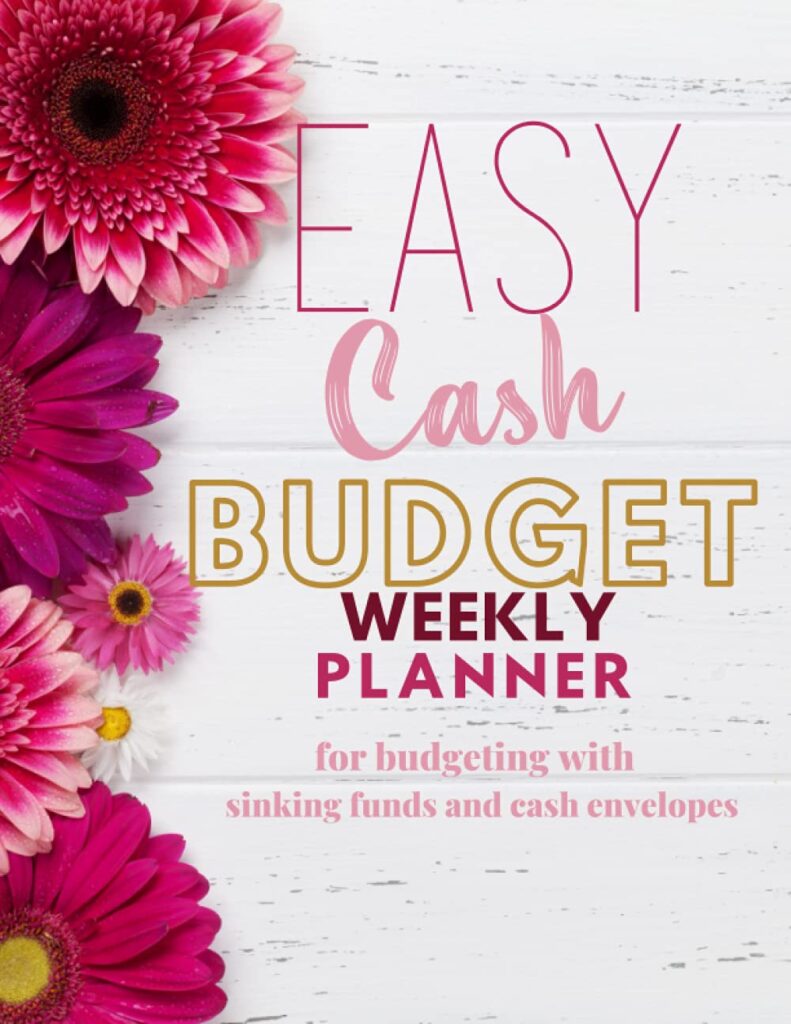
👉 Helpful tool: A beginner-friendly printable budget planner can make this process less intimidating and more structured, especially if apps feel overwhelming.(CHECK IT ON AMAZON)
Step 2: Build a Bare-Minimum Survival Budget
When you’re broke, your first budget should focus only on survival, not saving goals or lifestyle upgrades. A bare-minimum budget includes housing, utilities, food, transportation, and essential bills. Everything else is temporarily paused.
This type of budget helps you understand whether your income can realistically cover your basic needs. If it can’t, that information is critical—it tells you where you need help, adjustments, or additional support. Survival budgets are not permanent, but they are necessary.
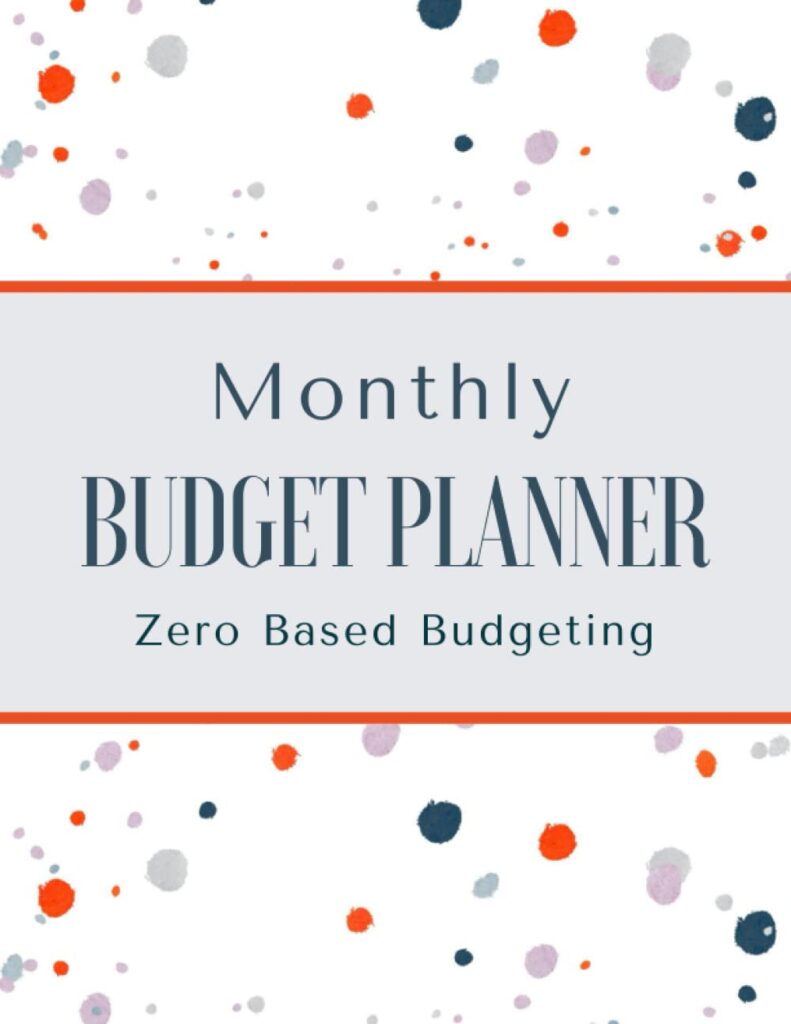
👉 Helpful tool: A zero-based budget worksheet helps you assign every dollar a job, even if that job is simply getting you through the month. (CHECK IT ON AMAZON)
Step 3: Stop Tracking Every Dollar (At First)
Many people quit budgeting because they try to track every single dollar from day one. When you’re broke, this level of detail can quickly lead to burnout and frustration. You don’t need perfection—you need progress.
Instead, focus on tracking your top five spending categories only. This gives you control over the areas that matter most without overwhelming you. Once your finances stabilize, you can always add more detail later.
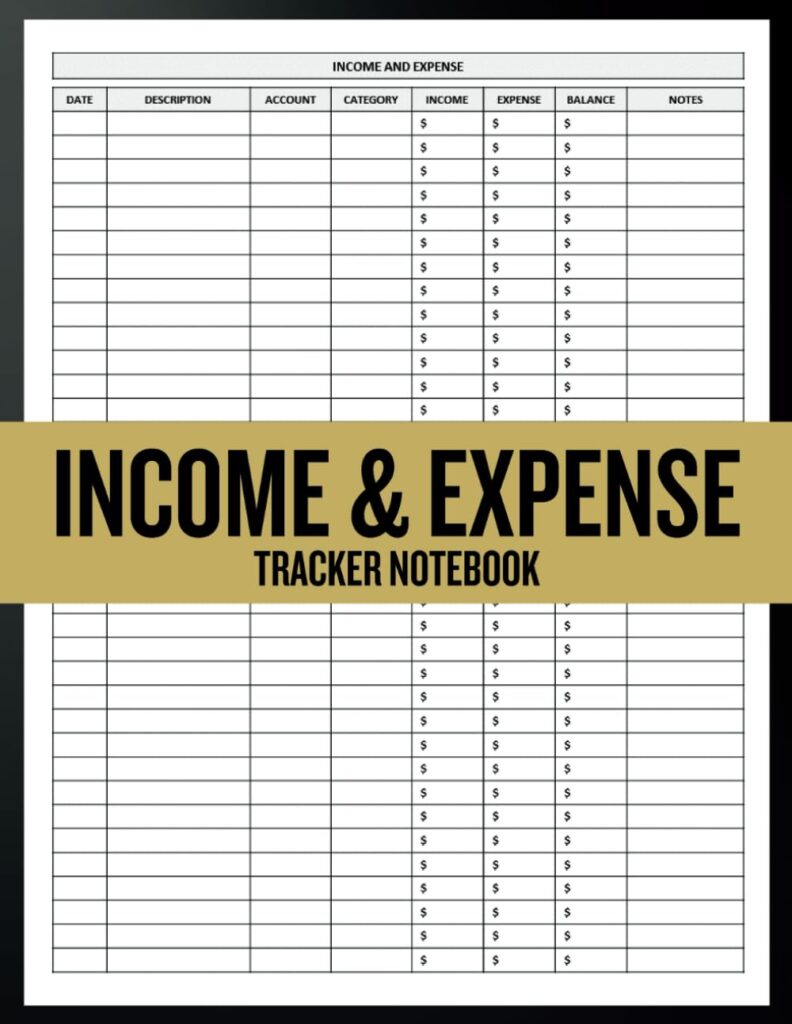
👉 Helpful resource: Simple expense trackers designed for low-income households make budgeting more manageable without daily stress.
Step 4: Use Weekly Check-Ins Instead of Monthly Ones
Monthly budgets often fail when money is tight because life changes quickly. Unexpected expenses, irregular income, and emergencies can throw off a monthly plan in days. Weekly check-ins allow you to adapt before things spiral.
Set aside time once a week to review what you spent, what’s coming up, and what needs adjusting. These short check-ins help you stay connected to your money without feeling behind. Consistency matters more than length.
👉 opportunity: A weekly budget planner helps you stay flexible while still maintaining structure.
Step 5: Create One Small Financial Win
When you’re broke, big goals like saving thousands can feel impossible. Instead of aiming too high, focus on creating one small win. Small wins build confidence and momentum.
This could be saving $20, avoiding an overdraft fee, or paying one bill on time. These actions may seem small, but they prove to yourself that change is possible. Confidence is one of the most valuable tools in budgeting.
Step 6: Cut Expenses That Hurt You the Least
Not all expense cuts are equal, and cutting too deeply can do more harm than good. The goal is to reduce spending without harming your ability to function or your mental health. Start with expenses that offer little value.
Cancel unused subscriptions, avoid convenience spending, and eliminate unnecessary fees. Avoid cutting food, transportation, or essentials below a safe level. Sustainable budgeting protects your well-being.
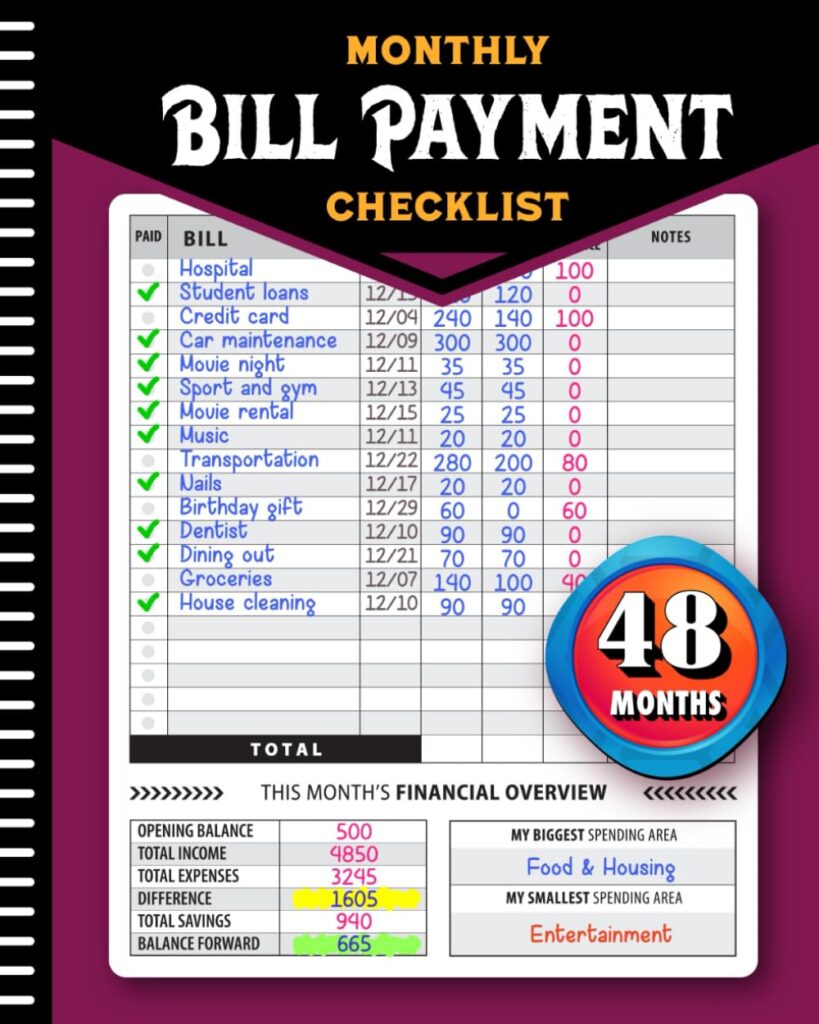
👉 Helpful tool: A spending audit checklist can quickly reveal where money is quietly leaking.
Step 7: Focus on Stability Before Increasing Income
Many budgeting guides jump straight to side hustles or extra income. When you’re already overwhelmed, this advice can add pressure. Stability should come first.
Once your spending is controlled and your stress is lower, you’ll be in a better position to explore income opportunities. Budgeting creates the foundation that makes income growth sustainable.
Common Budgeting Mistakes When You are already Broke
One common mistake is budgeting for money you hope to earn instead of money you actually have. This leads to constant shortfalls and frustration. Another mistake is expecting perfection from yourself.
Budgeting is a skill that improves with time. Missed weeks or overspending moments don’t mean failure—they’re part of the learning process. Progress is built through consistency, not flawlessness.

FAQs About Budgeting When You are already Broke
Can you budget with no money at all?
Yes. Budgeting with no money helps you prioritise essentials, avoid fees, and prepare for any income that comes in.
What’s the best budget method for low income?
Simple methods like zero-based or weekly budgets work best because they are flexible and realistic.
Should I save money if I’m broke?
Start with very small amounts. Even saving $10 builds the habit and creates confidence.
Are budgeting apps worth it?
Some are helpful, but many people prefer printable planners or simple spreadsheets when income is tight.
Final Thoughts
Starting a budget when you are already broke is uncomfortable, but it’s also empowering. It’s not about restriction—it’s about regaining control and creating stability.
You are not behind, broken, or bad with money. You are learning how to manage money in a difficult season, and that takes courage. This is a beginning, not a judgement.
Call to Action
👉 If you want a simple, low-pressure way to start, I recommend using a beginner-friendly budget planner designed for low-income households. It removes guesswork and helps you focus on what truly matters.
Start small. Stay consistent. Your financial situation can change—and this is where it begins.
DISCLAIMER:Some of the links in this post are affiliate links. If you click them and make a purchase, I may earn a small commission at no extra cost to you. This helps me keep the lights on here at [Princevale.com/)and continue providing free advice. I only recommend tools and products I truly trust to help you save money!