
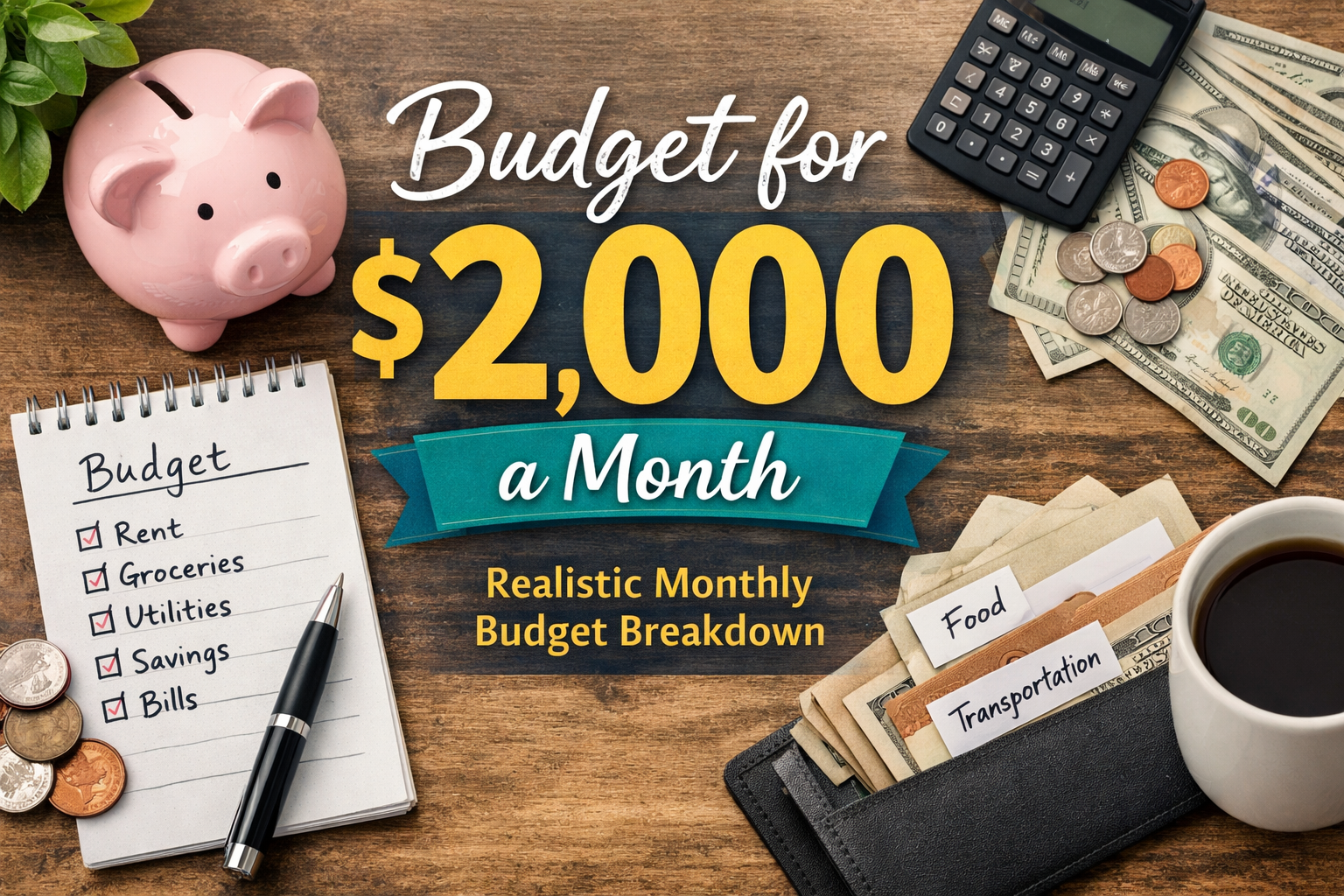
Living on a limited income can be stressful, especially when bills keep rising and paychecks stay the same. One of the most common questions people ask is whether it’s truly possible to survive — and even save — on a modest income. If you’re asking the same thing, you’re not alone.
Creating a budget for $2,000 a month is one of the most effective ways to take control of your finances, reduce stress, and avoid living paycheck to paycheck. While $2,000 per month may not sound like much, the truth is that with the right structure, discipline, and tools, it can cover your essentials and still allow room for savings.
In this guide, you’ll learn:
- A realistic monthly budget for $2,000 income
- How to divide money across essential categories
- Where people overspend without noticing
- How to save money even on a tight budget
- Tools and systems that help make budgeting easier
This guide is designed for beginners, low-income earners, students, couples, and anyone trying to regain financial stability.
Is $2,000 a Month Enough to Live On?
Whether $2,000 a month is enough depends largely on your location, housing costs, and lifestyle. In smaller towns or rural areas, $2,000 can stretch surprisingly far. In major cities, however, it requires stricter budgeting and sacrifices.
The most important factor is housing. If rent consumes more than 40% of your income, it becomes very difficult to balance the rest of your expenses. Transportation, healthcare, and debt also play a major role.
What matters most is not how much you earn, but how intentionally you manage it. Without a plan, $2,000 disappears quickly. With a plan, it becomes manageable.
Sample Budget for $2,000 a Month (Monthly Breakdown)
Here’s a realistic example of a $2,000 monthly budget breakdown:
- Housing (rent): $700
- Utilities & internet: $200
- Groceries: $300
- Transportation: $200
- Insurance & healthcare: $150
- Debt payments: $150
- Savings: $100
- Personal & miscellaneous: $200
Total: $2,000
This budget prioritizes necessities first while still allowing for savings and personal spending. Your exact numbers may vary, but this structure works for most people living on a tight income.
Housing Costs on a $2,000 Monthly Budget
Housing is usually the biggest expense and the hardest to control. On a $2,000 income, rent should ideally stay between $600 and $800.
Ways to manage housing costs include:
- Living with roommates
- Renting in lower-cost neighborhoods
- Avoiding luxury upgrades
- Negotiating rent when possible
Choosing affordable housing makes the rest of the budget workable. Overspending on rent almost always leads to financial stress.
Utilities and Monthly Bills Breakdown
Utilities typically include electricity, water, gas, internet, and phone service. A reasonable target is $180–$250 per month.
Tips to reduce utility costs:
- Use energy-efficient appliances
- Turn off lights and unplug electronics
- Switch to budget phone plans
- Review bills monthly for errors
Small adjustments can significantly lower monthly expenses over time.
Grocery Budget on a $2,000 Income
Groceries are flexible but often underestimated. A realistic grocery budget is $250–$350 per month, depending on household size and location.
To keep food costs low:
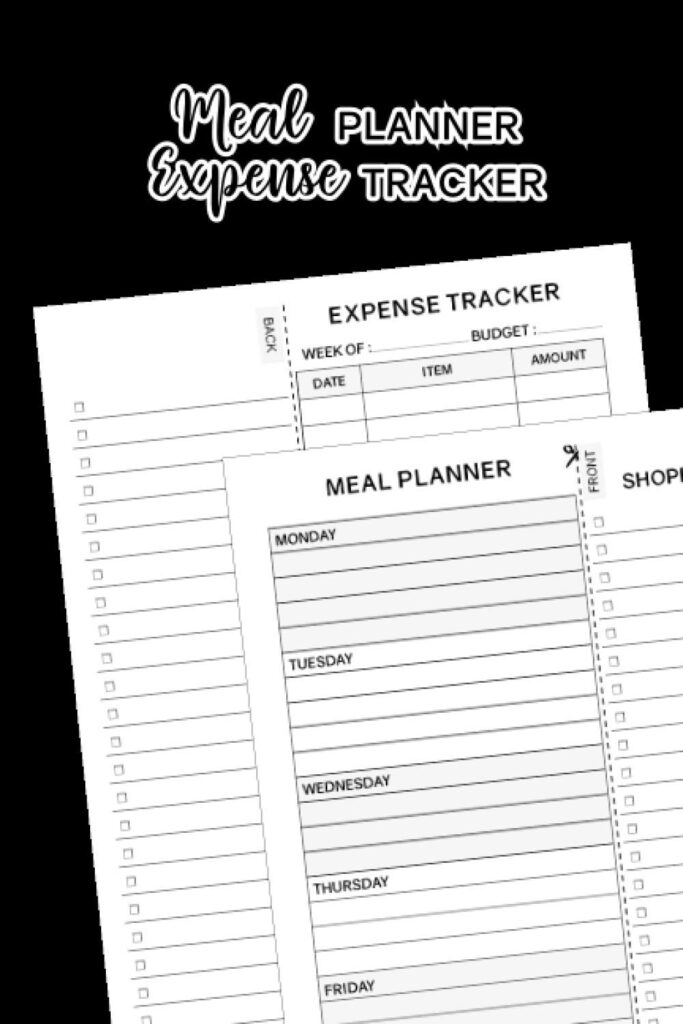
- Plan meals ahead of time
- Buy generic brands
- Cook at home more often
- Reduce food waste
Meal planning alone can save hundreds of dollars annually.
Transportation Costs Explained
Transportation expenses typically range from $150 to $250 per month. This includes fuel, public transit, insurance, and maintenance.
If you own a car:
- Keep up with maintenance
- Shop around for insurance
- Combine errands to save fuel
Public transportation users should consider monthly passes, which are often cheaper than daily fares.
Transportation is often overlooked, but it can silently drain your budget if not tracked carefully.
Debt Payments on a $2,000 Monthly Budget
Debt can make budgeting feel impossible, but it doesn’t have to. On a $2,000 income, aim to keep debt payments under 15% of your monthly budget.
Focus on:
- Paying minimums consistently
- Avoiding new debt
- Choosing one repayment strategy
If money is tight, prioritize stability first before accelerating debt payoff.
Savings on a $2,000 Income (Yes, You Can Save)
Saving money on a low income is challenging, but not impossible. Even $50–$100 per month builds momentum and creates a financial buffer.
Savings should focus on:
- Emergency expenses
- Unexpected bills
- Short-term goals
Automating savings helps remove temptation and builds consistency.

Personal and Discretionary Spending
A budget without personal spending often fails. Allocating $150–$200 for entertainment, clothing, or small treats helps prevent burnout.
The goal isn’t deprivation — it’s balance. Planned spending reduces guilt and impulsive purchases.
How to Make a $2,000 Budget Work Long-Term
Successful budgeting requires:
- Zero-based budgeting
- Weekly expense check-ins
- Tracking every dollar
- Monthly adjustments
Consistency matters more than perfection. Missing one goal doesn’t mean failure.
Common Budgeting Mistakes to Avoid
Avoid these common errors:
- Underestimating irregular expenses
- Forgetting savings
- Setting unrealistic rent limits
- Stopping tracking after one month
Budgeting is a habit, not a one-time task.
Who This Budget Works Best For
This budget works well for:
- Single adults
- Couples without children
- Students
- Entry-level workers
- Part-time earners
Families may need adjustments, but the structure remains effective.
Frequently Asked Questions
Can you save on $2,000 a month?
Yes. Small, consistent savings add up over time.
What if rent is too high?
Consider roommates, relocation, or negotiating rent.
Is $2,000 enough for a family?
It’s challenging but possible with strict budgeting and support programs.
Final Thoughts: Budgeting $2,000 a Month Is Possible
Living on $2,000 a month isn’t easy, but it is manageable with the right approach. By prioritizing essentials, tracking spending, and using simple budgeting tools, you can reduce stress and regain control of your finances.
Progress matters more than perfection.
👉 Call to Action
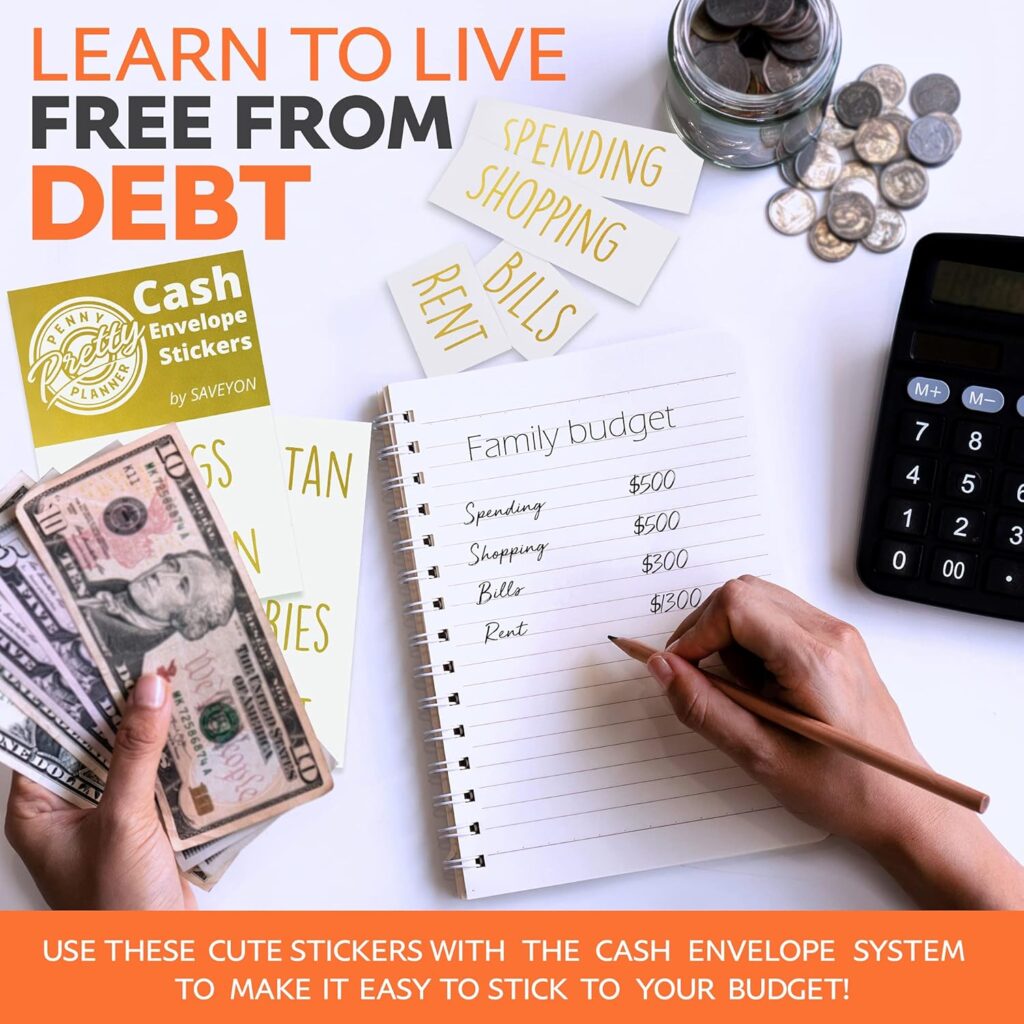
If you want help sticking to this budget, consider using a budgeting app or printable planner to track expenses and stay consistent. Explore more budgeting guides on Princevale.com to continue improving your financial stability.