
Managing money may seem overwhelming at first, especially when bills, savings goals, and unexpected expenses all compete for your attention. That’s why learning How to Budget Money for Beginners is one of the smartest steps you can take toward financial freedom. A good budget doesn’t just track your money it helps you take control of it, reduce stress, and build confidence about your financial future.
In today’s world, with the cost of living rising and inflation impacting everyday expenses, a simple and realistic budgeting plan has never been more important. This guide will walk you through every step, showing that creating a budget isn’t about restriction it’s about empowerment.
Why Budgeting Matters for Beginners
For beginners, budgeting may sound like something only accountants or financial experts do, but that’s far from the truth. Understanding How to Budget Money for Beginners is essential because it provides structure and direction to your financial life. When you know exactly where your money goes each month, you can make smarter choices like saving for emergencies, paying off debt, or planning a well-deserved vacation.
Budgeting also helps you stay mindful of spending habits. With tools like digital banking apps and automatic trackers, it’s easier than ever to visualize where your cash flows. This awareness turns into action, guiding you to cut unnecessary costs and make every dollar count
Step 1: Track Your Income and Expenses
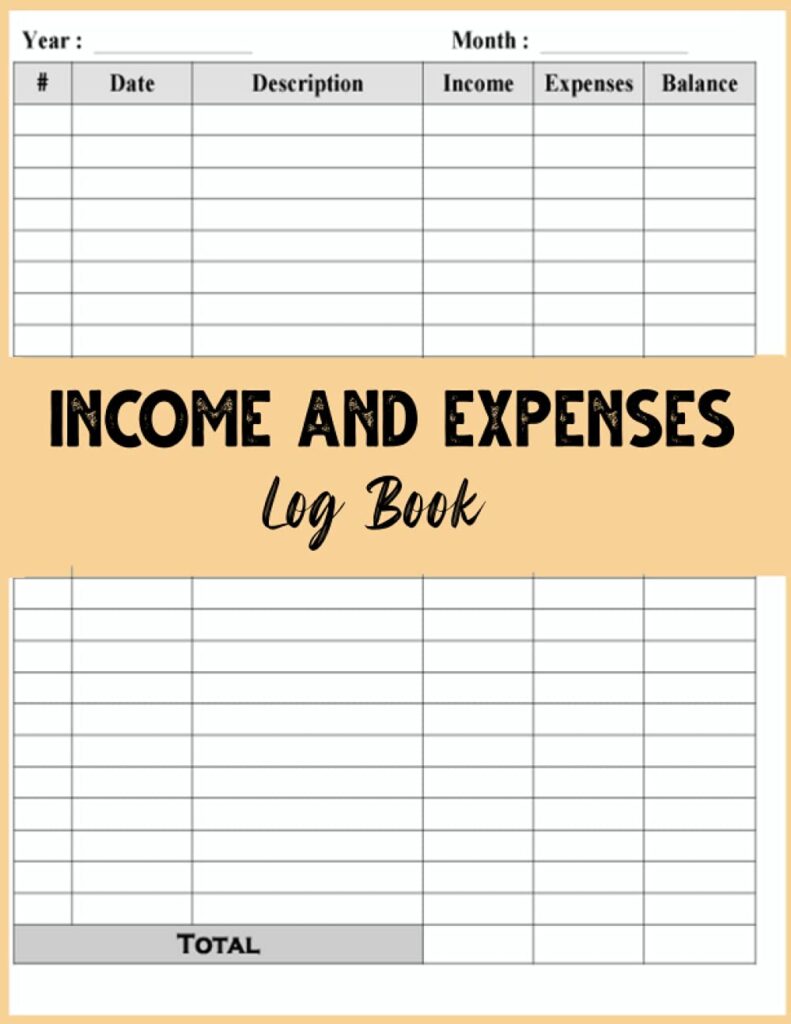
Before you can create a plan, you need to know what you’re working with. Start by listing all your sources of income—your job, side gigs, or passive income streams. Then, track your monthly expenses, including bills, groceries, transportation, and even coffee runs.
This first step is at the heart of How to Budget Money for Beginners. Many people are surprised to see how much small daily purchases add up over time. Using free apps like Mint, YNAB, or even a simple spreadsheet can give you a clear picture of your financial habits. When you can see your spending patterns, it’s easier to set limits that still fit your lifestyle.
Step 2: Set Realistic Financial Goals
Once you know where your money goes, it’s time to give it a purpose. Whether it’s saving for a down payment, building an emergency fund, or paying off credit cards, set goals that are specific and achievable.
Incorporating How to Budget Money for Beginner into your goal-setting process helps you stay motivated. Start small like saving $50 a week and gradually increase your target as your habits strengthen. Visual reminders such as progress trackers or digital savings challenges can keep you on track and make money management more rewarding.
Step 3: Create a Simple Budget Plan
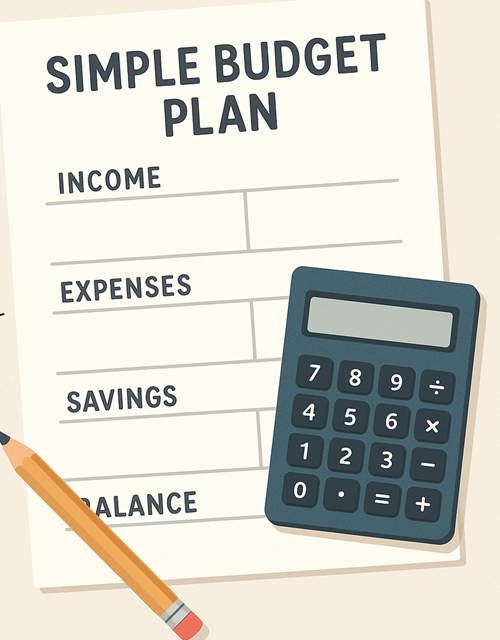
A budget doesn’t have to be complicated to work. The 50/30/20 rule is a great place to start: spend 50% of your income on needs, 30% on wants, and 20% on savings or debt repayment. You can adjust these percentages based on your priorities, but the key is balance.
The foundation of How to Budget Money for Beginners is finding a system that works for your personal lifestyle. Some prefer digital envelopes; others like printable budget planners or tracking apps. Choose what feels most natural to you, so you’ll stick with it long-term.
Step 4: Stick to Your Budget and Review Monthly
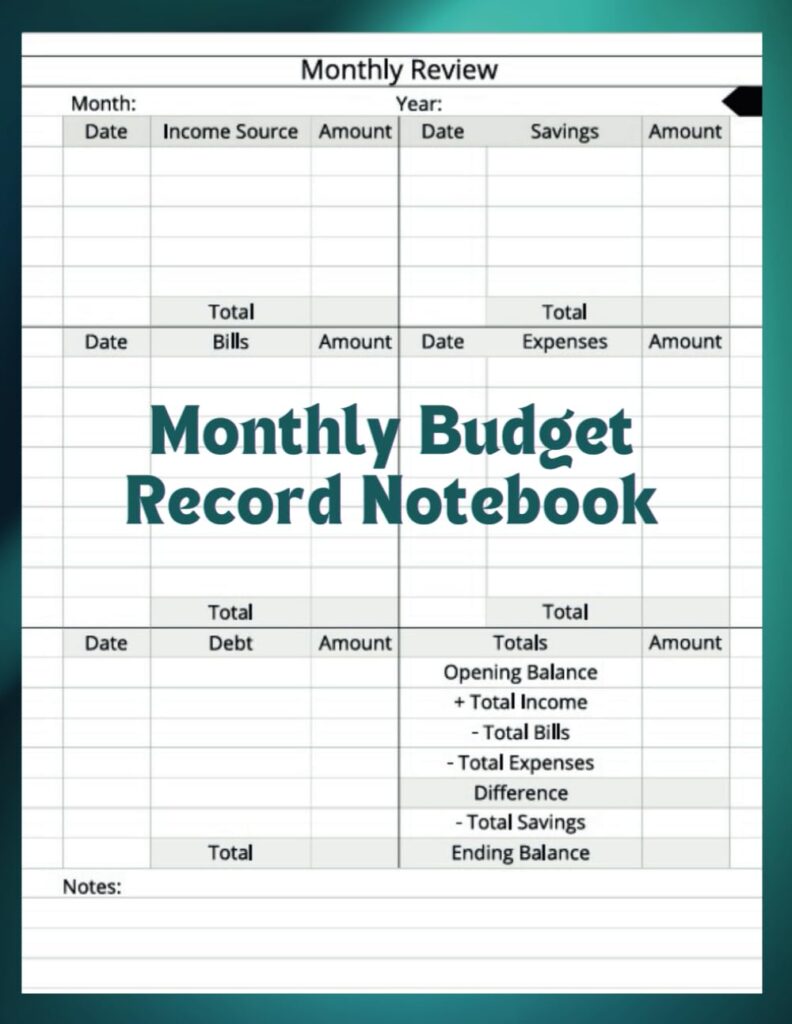
Creating a budget is just the beginning—consistency is what brings real results. Review your spending every month to see what worked and what didn’t. If you overspent in one area, adjust next month’s plan rather than giving up altogether.
How to Budget Money for Beginners becomes easier when you view it as a living document, not a rigid rule book. Life changes, and so should your budget. With time, sticking to your plan becomes a habit, not a chore.
Step 5: Use Tools and Apps to Simplify the Process
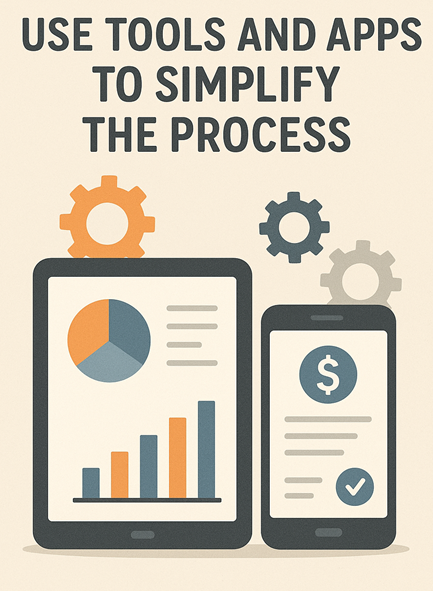
Today’s budgeting apps make managing money simple and stress-free. Tools like EveryDollar, Goodbudget, or Honeydue can automatically categorize your spending and even alert you before you overspend.
If you’re exploring How to Budget Money for Beginners with technology, look for apps that sync with your bank accounts, display spending insights, and offer goal-tracking dashboards. These digital aids save time and reduce manual work making budgeting a part of your daily routine.
Common Mistakes Beginners Should Avoid
It’s easy to fall off track if you expect perfection right away. One of the biggest mistakes is setting unrealistic goals or ignoring small expenses that quietly drain your budget. Another common slip-up is not reviewing your budget regularly.
When following How to Budget Money for Beginners, remember that flexibility is key. You don’t have to get everything right the first time. Progress matters more than perfection, and each adjustment moves you closer to financial stability.
Final Thoughts
At its core, How to Budget Money for Beginners is about taking small, consistent steps toward financial clarity. When you learn to manage money intentionally, you open the door to less stress, more savings, and greater peace of mind.
No matter your income level or goals, a thoughtful budget helps you live within your means while planning for what’s next. Start today—your future self will thank you.
Frequently Asked Questions (FAQs
1. What is the best way to start budgeting money?
The best way is to begin by tracking your expenses for a full month. Once you know where your money goes, use a simple framework like the 50/30/20 rule to organize your income.
2. Can I budget if I live paycheck to paycheck?
Yes. In fact, learning How to Budget Money for Beginners is especially useful when money is tight. Focus on essential expenses first, and gradually build an emergency fund, even if you start small.
3. What’s the easiest budgeting app for beginners?
Apps like Mint, YNAB, and EveryDollar are highly recommended for U.S. users. They automatically track spending and provide a visual overview of your budget.
4. How can I make budgeting fun and sustainable?
Personalize your approach use colorful planners, reward yourself for saving milestones, or join social media budgeting challenges. Making it enjoyable keeps you consistent.
5. How often should I update my budget?
Review it monthly. Regular updates allow you to adjust for changes in income, expenses, or goals, keeping your budget realistic and effective.