
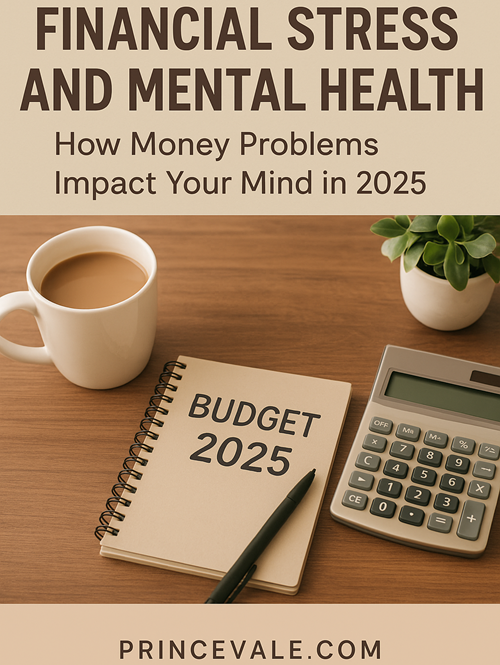
One of the most significant issues affecting people’s mental health in the modern world is financial stress. Money problems can quickly escalate into emotional struggles due to rising living expenses and ongoing economic uncertainty. The first step to taking back control of your finances and your wellbeing is realising the connection between financial stress and mental health. Effective money management can help you live a more stable, tranquil life and lessen anxiety.
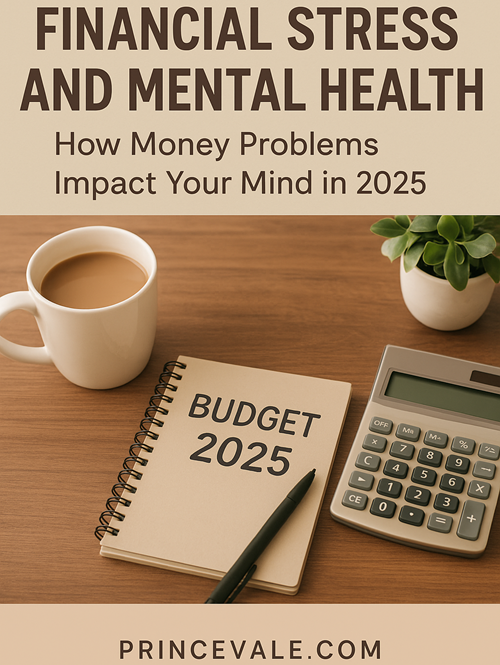
Here are the 10 financial stress and mental health ideas
1:Comprehending Financial Stress in 2025
When you are continuously under pressure to manage your finances, whether it be through debt management, bill payment, or saving, you are experiencing financial stress. High rent, credit card interest rates, and inflation are the main drivers of financial distress in the United States in 2025. Financial obligations overwhelm a lot of people, which causes emotional exhaustion and restless nights. You can begin to take baby steps towards relief once you’ve identified these patterns. Stress related to money doesn’t define you; rather, it indicates that you need support and new tactics.
2:The Impact of Financial Stress on Mental Health
There is a close connection between mental health and financial stress. Anxiety, melancholy, or even depression can result from financial worries. Your brain releases stress hormones when you are under a lot of financial strain, which keeps you on edge all the time. Burnout, strained relationships, and even physical symptoms like fatigue or headaches can result from this over time. Managing your money is about more than just the numbers; it’s about safeguarding your mental health.
3:The Impact of Debt on the Mind

You may feel as though debt is a burdensome shadow that follows you everywhere. Guilt, shame, and hopelessness are common psychological effects of debt. Because the numbers make them anxious, many people avoid looking at their bank statements. Emotional distress brought on by this cycle makes it more difficult to make wise financial decisions. It’s important to realise that debt is a situation that can be handled with patience, communication, and preparation.
4:Indications That You Are Under Financial Stress
Being aware of the symptoms of financial anxiety enables you to take action before the situation gets worse. You may avoid discussing money, spend excessively on impulse, or become anxious when bills come in. These emotional difficulties are frequently accompanied by physical symptoms, such as weariness or irritability. Early detection of these symptoms enables you to take actionable steps like creating a budget or getting expert assistance. Keep in mind that financial stress is normal and that it can be controlled with the correct attitude.
5:How Relationships Are Affected by Financial Issues

One of the main causes of conflict in relationships can be money. Financial priorities, saving objectives, and spending patterns are frequently the subject of arguments between couples. One partner’s financial stress can lead to animosity and alienation. Gaining the ability to speak honestly about financial issues lowers conflict and increases trust. Rather than placing blame, concentrate on common financial objectives that improve your financial situation and your relationship with others
6:Workplace Burnout and Financial Stress
Financial issues follow you to work; they don’t stay at home. Stress related to money frequently causes employees to become distracted, less productive, and more likely to burn out. To make ends meet, they might take on additional work or overtime, which can exacerbate their anxiety and exhaustion. Companies are realising more and more how important financial wellness initiatives are for promoting workplace mental health. Making rest and balance a priority can improve your performance and clarity of thought.
7:Handling Financial Stress
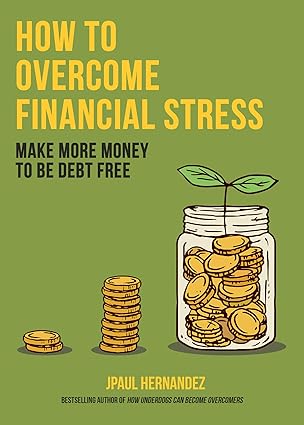
It takes both practical and emotional measures to deal with financial stress. Organise your finances first by making a clear list of your earnings, outlays, and debts. Make a sensible budget that prioritises needs over savings. Set modest objectives, like saving $50 per week, to increase stability and self-assurance. Regarding the emotional side, engage in mindfulness exercises, speak with a trusted person, and remind yourself that progress takes time. You can make “I’m taking control of my finances” your daily mantra.
8:Developing Emotional Resilience and Financial Well being
Feeling secure and confident about your financial decisions is a sign of financial wellness. Having control is more important than wealth. Create emergency funds, automate savings, and monitor progress on a monthly basis to increase resilience. When you approach difficulties with patience rather than fear, your emotional resilience increases. Strong money management practices eventually lessen anxiety and foster a sense of independence that promotes long-term mental health.
9:When to Get Financial and Mental Health Help

Financial stress can occasionally become too much to bear on one’s own. Consult a therapist or financial counsellor if you experience ongoing anxiety, despair, or difficulty concentrating. Free financial counselling is provided by numerous organisations in the United States to assist with debt management and budgeting. Coping mechanisms for anxiety related to money can also be taught by therapists. Seeking assistance is a wise move towards healing and development, not a sign of weakness.
10:Looking Ahead: 2025 Financial Health Improvement
Restarting your financial habits in the new year is ideal. Evaluate your expenditures, revise your objectives, and prepare for contingencies. There will always be a link between financial stress and mental health, but it doesn’t have to rule your life. Your emotional health will inevitably improve as you engage in deliberate saving and mindful spending. Peace of mind, not perfection, is your best investment in 2025.
Common Questions About Financial Stress and Mental Health
- How can one start to lessen financial stress?
Begin by keeping track of your spending and making a budget that accounts for your present income. Concentrate on little victories, such as starting an emergency fund or paying off one bill. Don’t compare your financial situation to others’, and acknowledge each advancement. - Can health issues be brought on by financial stress?
Indeed, persistent financial stress can lead to depression, anxiety, insomnia, and headaches. Chronic financial concerns should be addressed at an early age because they have an impact on one’s physical and mental well-being. Your body and mind can literally be improved by budget balance. - What’s the best way to manage financial anxiety in 2025?
Automate savings and keep an eye on expenditures with digital budgeting apps. To deal with emotional triggers, combine these techniques with mindfulness or counselling. When financial stress and mental health are managed together, long-lasting serenity and clarity are produced.
In conclusion
Although financial stress can be debilitating, it need not rule your life. You can significantly lower anxiety and safeguard your mental health by taking charge of your spending patterns, establishing reasonable goals, and engaging in mindful financial management. Every little step you take towards financial wellness will bring you one step closer to peace of mind, but keep in mind that progress takes time. In 2025, prioritise balance over perfection because taking care of your health and finances is the best investment you will ever make