
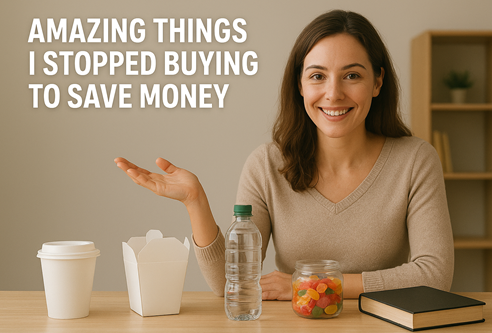
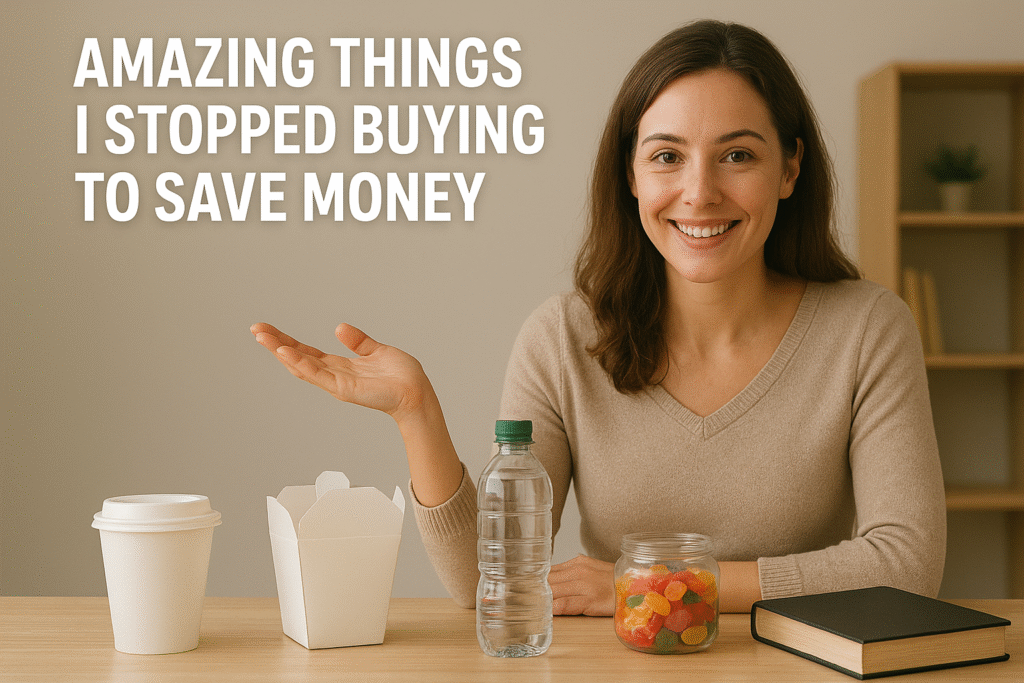
If you’re looking to cut costs or work smarter with your personal finances, here’s a gentle and realistic approach I used: things I stopped buying to save money. These small changes freed up around $150 each month, without extreme deprivation or living on instant noodles. I’ll walk you through what I gave up, why it worked, and how even small changes can snowball into big savings.
The best part? These money saving strategies are realistic, beginner-friendly, and flexible enough to fit into your life. I didn’t give up everything fun or go into a total spending freeze I just started paying attention to the little things that were draining my wallet.
1. Fancy Coffee Runs

One of the first things I stopped buying to save money was my daily gourmet coffee. Spending $4–$5 every weekday didn’t seem like much until I did the math. That added up to almost $100–$120 per month!
Instead, I started brewing my coffee at home and treated myself to a café coffee just once or twice a week. I bought a nice travel mug and a small milk frother, which made home coffee feel like a treat. Not only did this save money, but it also made coffee a little ritual I could enjoy without the guilt
2. Bottled Water
Another easy win was cutting out bottled water. I switched to a reusable water bottle and a small filter pitcher at home.
This was one of the simplest things I stopped buying to save money, saving me roughly $10–$15 per month while also reducing plastic waste. Little changes like this feel good because they save money and make a small positive environmental impact
3. Extra Streaming Services and Unused Subscriptions
Subscriptions are sneaky. I realized I had three streaming services, two apps, and a digital magazine subscription I barely used.
Canceling the extras gave me an immediate $20–$25 per month back in my pocket. It’s an underrated example of things I stopped buying to save money, and it also simplified my digital life. Now, if I want to watch something exclusive, I subscribe for just a month and then cancel again.
4. Impulse App Purchases
Scrolling through the app store and buying a $2 upgrade here or $3 sticker pack there seemed harmless, but these micro-expenses were adding up to $10–$15 per month.
I made a rule: if I want an app purchase, I wait 24 hours. Most of the time, the “urgent” purchase didn’t feel necessary the next day. By listing this under things I stopped buying to save money, I became more aware of how easily small digital spending leaks into our budget.
5. Packaged Snacks and Sodas
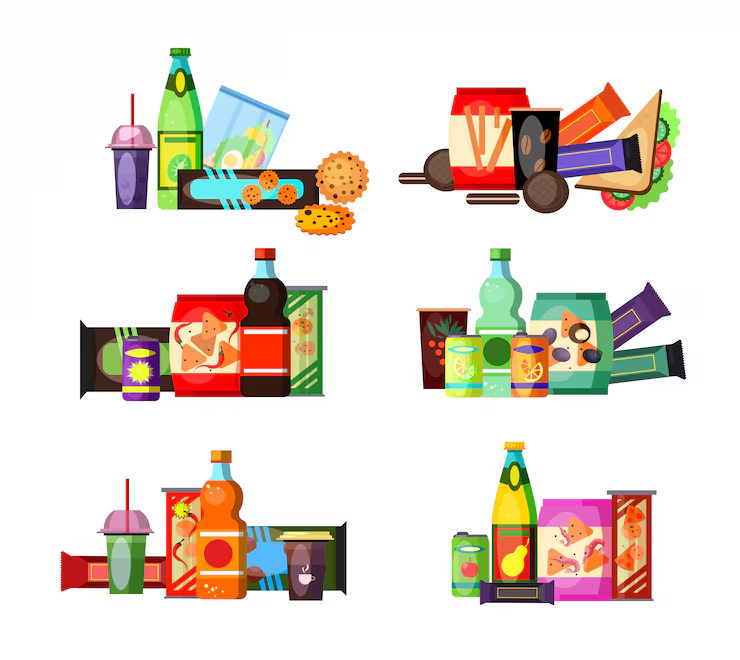
I used to grab soda and chips from the convenience store on my way to work. $2 here and $3 there might not feel like much, but it was easily $15 a week.
Now, I carry healthier homemade snacks and sometimes sparkling water from home. This swap saved me around $15–$20 a month. It’s one of the things I stopped buying to save money that also helped me make better food choices.
6. Brand-Name Cleaning Supplies
I once bought only brand-name cleaners, thinking they were automatically better. Over time, I realized I could clean almost everything with vinegar, baking soda, and water, plus a few budget-friendly store brands.
This adjustment added another $10–$15 savings per month to my things I stopped buying to save money list, without sacrificing a clean home.
7. Magazine and Print Subscriptions
I canceled two print magazines I rarely read and switched to free online content and newsletters.
This was an easy addition to my things I stopped buying to save money strategy, saving about $5–$10 monthly. It also freed up space in my home and cut down on paper waste.
8. Excess Electronics and Accessories
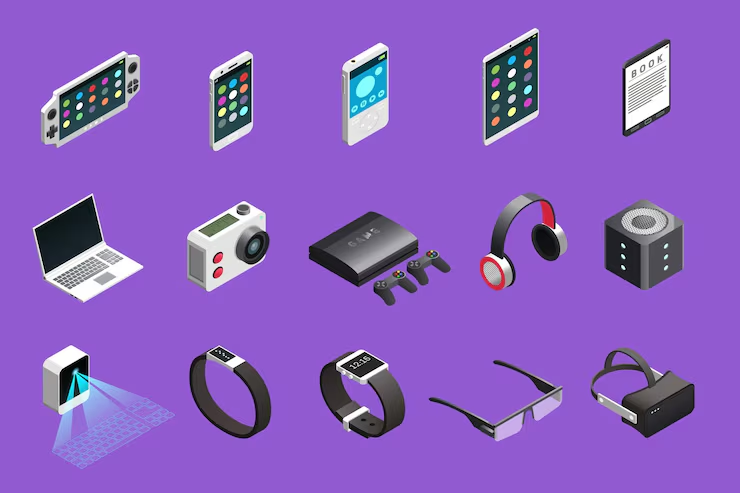
Cables, novelty chargers, extra headphones I was guilty of buying “just in case” items that I didn’t truly need.
Now I buy only replacements when something breaks. That small mindset shift meant fewer impulse Amazon purchases and about $10–$20 a month saved, another clear entry on my things I stopped buying to save money list.
9. Convenience Foods and Ready Meals
Buying ready-to-eat meals was convenient but expensive. A frozen entrée here, a grab-and-go dinner there, and suddenly I was spending $30–$40 extra per month.
By meal prepping on Sundays and cooking simple dishes in batches, I cut this expense almost entirely. This was one of the things I stopped buying to save money that also improved my diet and reduced food waste.
10. Daily Lunch Out
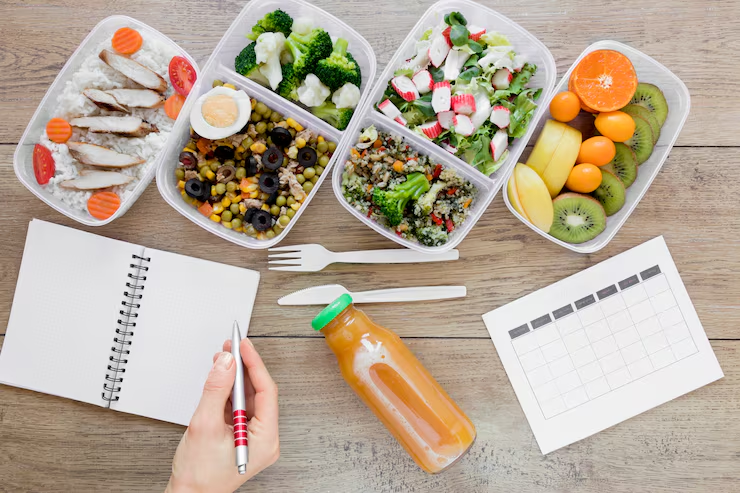
This one was huge. I used to buy lunch out 3–4 times a week, spending around $8–$10 each time.
Switching to leftovers and meal-prepped lunches saved me $30–$40 a month easily. It’s one of the most impactful things I stopped buying to save money, and surprisingly, I now prefer homemade meals because I control the ingredients and portion
How These Changes Build Smart Financial Habits
Adding up these things I stopped buying to save money created a ripple effect in my personal finances. By eliminating small, recurring costs:
- I freed up $150+ per month without feeling deprived
- I started tracking my expenses more carefully
- I built a small emergency savings fund
These changes are also part of smart money saving strategies focus first on repetitive expenses that quietly eat into your budget.
My Simple Month‑by‑Month Savings Plan
| Expense Area | Savings per Month | Notes |
|---|---|---|
| Fancy Coffee | $100 | Home brewing |
| Bottled Water | $15 | Refillable bottle + filter |
| Subscriptions & Apps | $20 | Canceled rarely used services |
| Snacks & Sodas | $15 | Bring from home |
| Lunch Out | $30 | Meal prep and leftovers |
| Total Savings | ~$150 | Adds up quickly over time |
Final Thoughts
By examining the things I stopped buying to save money, I was able to free up around $150 per month, which is $1,800 per year. That’s real money I can now put toward emergency savings, debt repayment, or even small personal goals.
If you want to start your own journey, focus on habit-based spending first. Cancel an unused subscription, switch to home coffee, or prep lunches for a week. These budgeting tips and money saving strategies add up fast and don’t require extreme lifestyle changes.
In short, things I stopped buying to save money is a realistic, friendly approach to personal finance. Small, consistent steps can create big results one skipped bottled water or impulse app at a time.
I love this article. It touches on very important basic.