

Money Management Made Simple for Real Life
Money management is one of the most important life skills, yet it is rarely taught in a practical, easy-to-follow way. Many people earn a steady income but still feel stressed, behind, or unsure about their financial future. Without clear systems, money tends to disappear faster than expected, leading to debt, frustration, and missed opportunities.
The good news is that financial stability does not require perfection or a huge salary. What it does require is intention, consistency, and proven habits. By applying Strategies for Better Money Management, you can take control of your finances step by step while still enjoying your life.
This guide outlines a clear, modern approach based on current financial trends, real-life behavior, and long-term sustainability. These strategies work whether you are just starting out, rebuilding, or aiming to grow wealth responsibly.
Why Money Management Matters More Than Ever
With rising living costs, fluctuating incomes, and constant digital spending temptations, managing money well has become essential. Financial success today is less about how much you earn and more about how well you manage what you already have.
Using Strategies for Better Money Management helps reduce financial anxiety, create stability, and give you options in the future. It allows you to respond to challenges calmly rather than react emotionally.
Good money habits support everything else in life, including health, relationships, and career decisions.
1. Setting Financial Goals

Every solid financial plan starts with clarity. Financial goals give direction to your income and prevent random spending.
Short-term goals might include building an emergency fund or paying off a credit card. Long-term goals may include buying a home, retiring comfortably, or starting a business. When goals are specific, they become easier to plan for.
Among the most effective Strategies for Better Money Management, goal setting helps you stay motivated while turning abstract dreams into actionable steps.
2. Creating a Budget That Works

Budgeting is not about restriction. It is about awareness and balance. A realistic budget reflects how you actually live, not how you wish you lived.
Start by listing your monthly income and fixed expenses. Then account for flexible categories like food, transportation, and entertainment. Leave room for enjoyment so the budget stays sustainable.
A personalized budget is one of the core Strategies for Better Money Management, especially when paired with regular reviews and small adjustments.
3. Tracking Your Expenses

Tracking expenses helps you understand patterns without judgment. Many people overspend simply because they are unaware of how often small purchases happen.
Weekly or monthly check-ins using a budgeting app or spreadsheet work well. The goal is awareness, not perfection.
This habit strengthens Strategies for Better Money Management by helping you make decisions based on facts instead of assumptions.
4. Building an Emergency Fund

An emergency fund protects you from unexpected expenses like medical bills or car repairs. Without it, emergencies often turn into debt.
Aim for three to six months of essential expenses saved separately. Start small and build gradually.
Emergency savings remain one of the most important Strategies for Better Money Management because they prevent financial setbacks before they happen.
4. Building an Emergency Fund

An emergency fund is a financial safety net that protects you from unexpected expenses like medical bills, car repairs, or job loss. Without an emergency fund, many people resort to using credit cards or loans, which can lead to financial stress and debt accumulation. Ideally, you should have at least three to six months’ worth of living expenses saved in a separate, easily accessible account. Having this financial cushion ensures that you can handle life’s surprises without jeopardizing your financial stability.
Cutting expenses does not mean cutting joy. It means aligning spending with what truly matters to you.
Review subscriptions, eating habits, and lifestyle upgrades. Eliminate what adds little value while preserving what brings happiness.
Mindful spending is one of the most underrated Strategies for Better Money Management because small changes create lasting results.
5. Reducing Unnecessary Expenses

Cutting unnecessary expenses is one of the easiest ways to improve your financial situation without increasing your income. Many people spend money on things they don’t truly need, such as excessive dining out, subscription services, and impulse purchases. By identifying and eliminating these non-essential costs, you can free up more money for savings, debt repayment, and investing. Small savings add up over time, making a significant impact on your overall financial health.
Debt can slow progress, especially high-interest balances. A repayment strategy helps you regain control.
The snowball method builds motivation by paying off smaller debts first. The avalanche method saves money by tackling high-interest debt first.
Structured debt repayment remains central to Strategies for Better Money Management, especially when paired with spending awareness.
6. Paying Off Debt Strategically

Debt can be a major roadblock to financial freedom, but with the right strategy, it can be managed and eliminated. Carrying high-interest debt, such as credit card balances, can quickly drain your finances due to compounding interest. By using a structured repayment plan, you can regain control of your money and reduce financial stress. The two most common debt repayment strategies are the snowball method and the avalanche method.
Saving becomes easier when it happens automatically. Treat savings like a non-negotiable bill.
Automatic transfers reduce decision fatigue and prevent the temptation to overspend. Even small amounts grow over time.
Automation is one of the simplest Strategies for Better Money Management and supports long-term financial stability.
7. Boosting Your Savings Habit

Saving money is essential for achieving financial security, but it requires discipline and consistency. Many people struggle to save because they prioritize spending first and save only what’s left. The key to successful saving is to make it automatic and treat it as a necessary expense. By developing a strong savings habit, you can build wealth and prepare for future financial goals.
Saving becomes easier when it happens automatically. Treat savings like a non-negotiable bill.
Automatic transfers reduce decision fatigue and prevent the temptation to overspend. Even small amounts grow over time.
Automation is one of the simplest Strategies for Better Money Management and supports long-term financial stability.
8. Understanding and Improving Your Credit Score

Your credit score plays a crucial role in your financial life, affecting your ability to get loans, credit cards, and even rental agreements. A high credit score can save you thousands of dollars by qualifying you for lower interest rates on mortgages and car loans. On the other hand, a low credit score can result in higher borrowing costs and financial difficulties. Understanding how your credit score works and taking steps to improve it can open doors to better financial opportunities.
Your credit score affects interest rates, loan approvals, and housing options. Maintaining it saves money long-term.
Pay bills on time, keep balances low, and monitor credit reports for errors. Avoid unnecessary applications.
Healthy credit management supports broader Strategies for Better Money Management across borrowing and planning decisions.
9. Living Below Your Means

Living below your means is a fundamental principle of financial success. It simply means spending less than you earn and avoiding unnecessary debt. Many people fall into the trap of lifestyle inflation, where they increase their spending as their income rises. By maintaining a modest lifestyle and focusing on financial priorities, you can build wealth and achieve long-term stability.
Living below your means gives you flexibility and financial freedom. It allows you to save and invest without stress.
Avoid lifestyle inflation as income grows. Focus on value rather than appearances.
This principle remains one of the most sustainable Strategies for Better Money Management across all income levels.
10. Smart Shopping and Negotiation Tactics

Being a smart shopper means maximizing value while minimizing expenses. Many people overspend simply because they don’t compare prices, use coupons, or take advantage of discounts. With a little effort, you can save a substantial amount of money on groceries, clothing, electronics, and services. Smart shopping is all about making informed decisions rather than impulse purchases.
Intentional shopping reduces impulse spending. Price comparisons, waiting periods, and research protect your budget.
Use loyalty programs, discounts, and timing strategies to stretch your money further.
Smart purchasing decisions strengthen Strategies for Better Money Management without sacrificing quality of life.
11. Maximizing Income Streams

Relying solely on one source of income can be risky, especially in today’s uncertain job market. Having multiple income streams provides financial security and accelerates wealth-building. Whether through side hustles, passive income, or career growth, increasing your earnings allows you to save and invest more. Diversifying your income ensures you have financial stability even if one stream is affected.
While spending control matters, income growth accelerates progress. Side hustles, skill upgrades, and career advancement all help.
Choose opportunities that fit your energy and goals. Extra income should support savings, investing, or debt reduction.
Balanced income growth complements Strategies for Better Money Management when paired with discipline.
12. Investing for the Future

Investing is one of the most effective ways to grow your wealth over time. Unlike saving alone, investing allows your money to work for you through compound interest and asset appreciation. Many people hesitate to invest due to fear of loss or lack of knowledge, but with proper education, it becomes an essential financial tool. Starting early and making consistent investments can lead to significant financial growth.
Investing builds wealth over time through compound growth. Start early, stay consistent, and focus on diversification.
Index funds, ETFs, and retirement accounts offer accessible entry points for beginners.
Long-term investing remains one of the most powerful Strategies for Better Money Management in modern financial planning.
13. Understanding Taxes and Reducing Liabilities

Taxes can take a significant portion of your income, but understanding how they work can help you save money. Many people overpay in taxes simply because they don’t take advantage of available deductions and credits. By learning about tax-saving strategies, you can legally reduce your tax liability and keep more of your earnings. Proper tax planning ensures you optimize your finances throughout the year.
Tax awareness helps you keep more of what you earn. Deductions, credits, and retirement contributions reduce taxable income.
Good records and planning prevent surprises and missed opportunities.
Tax efficiency supports Strategies for Better Money Management by protecting earned income.
14. Planning for Retirement Early

Retirement may seem far away, but planning for it early ensures a comfortable and stress-free future. Many people underestimate how much they’ll need to maintain their lifestyle after they stop working. By starting retirement savings early, you allow compound interest to grow your wealth significantly over time. A proactive approach to retirement planning helps you avoid financial struggles later in life.
Retirement planning provides future stability. Early contributions allow compounding to work longer.
Employer plans, IRAs, and diversified investments all play a role.
Early planning strengthens Strategies for Better Money Management across all stages of life.
15. Avoiding Lifestyle Inflation
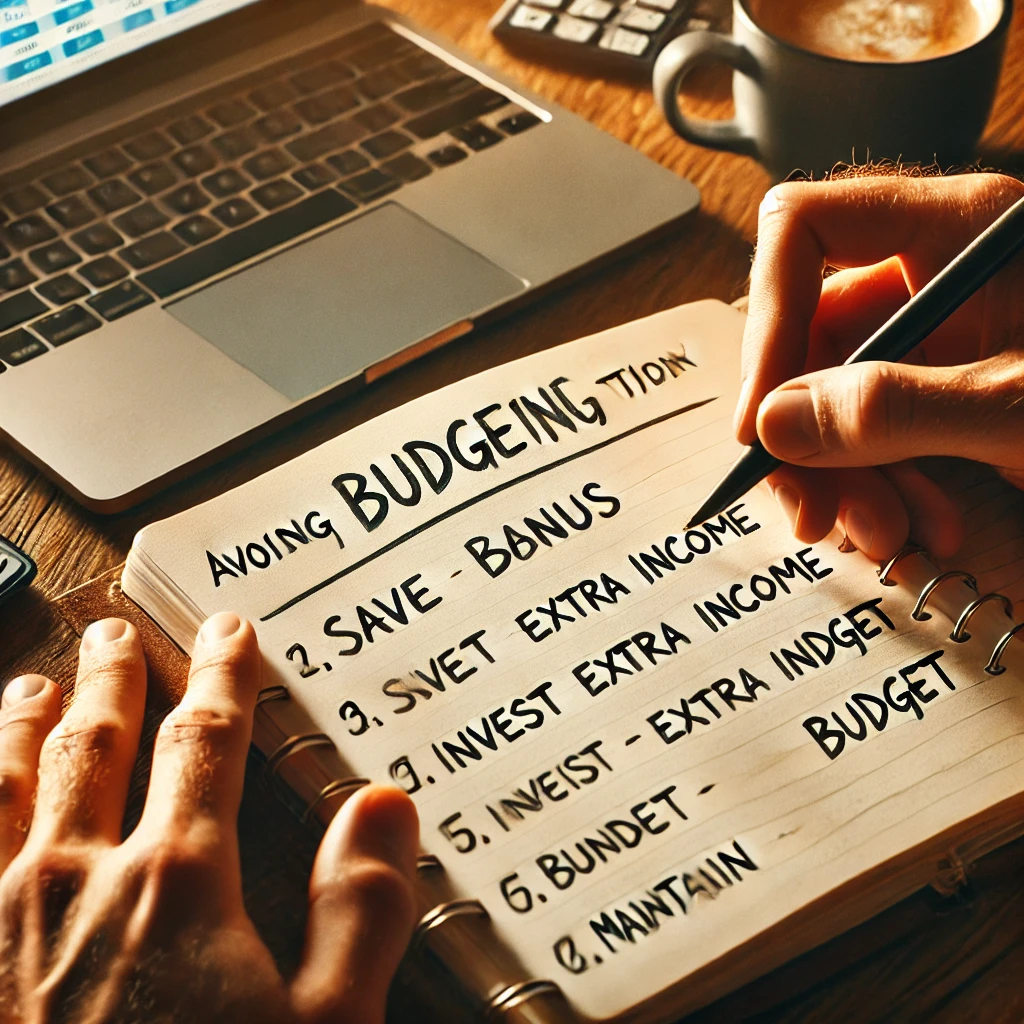
Lifestyle inflation occurs when people increase their spending as their income rises, often without improving their financial health. It can be tempting to upgrade to a larger home, buy a luxury car, or dine out more frequently when earning more. However, if spending grows at the same rate as income, savings and investments may remain stagnant. Avoiding lifestyle inflation ensures that extra income is used wisely to build long-term wealth.
As income rises, expenses often rise too. Conscious choices prevent this pattern.
Allocate raises toward savings and investing before upgrading lifestyle costs.
Avoiding lifestyle inflation supports sustainable Strategies for Better Money Management long term.
16. Having the Right Insurance Coverage

Health insurance is one of the most critical types of coverage, as medical expenses can be overwhelming without it. Life insurance is equally important, especially if you have dependents who rely on your income. Auto and homeowner’s insurance protect against property damage, while disability insurance provides income in case of injury or illness. Comparing different plans and choosing the right level of coverage helps ensure you’re adequately protected.
Insurance protects finances from large, unexpected losses. Health, life, and property insurance all matter.
Review policies regularly to avoid overpaying or undercoverage.
Risk management is a foundational part of Strategies for Better Money Management.
17. Developing Strong Financial Discipline

Financial discipline is key to managing money wisely and achieving long-term financial goals. Many people struggle with impulse spending, lack of budgeting, and inconsistent saving habits. Without discipline, even a high income won’t guarantee financial success. By practicing self-control and making intentional financial decisions, you can build wealth and secure your financial future.
Discipline builds consistency. Habits matter more than motivation.
Delayed gratification and routine reviews strengthen money confidence.
Strong discipline supports every other Strategies for Better Money Management principle.
18. Seeking Financial Education and Advice

Understanding how money works is crucial for making informed financial decisions. Many people struggle with finances because they lack proper knowledge about budgeting, investing, and debt management. Seeking financial education helps develop the skills needed to grow and protect wealth. The more you learn about money, the better equipped you are to make smart financial choices.
Learning how money works improves decision-making. Books, podcasts, and courses provide ongoing insight.
Knowledge reduces fear and empowers smarter choices.
Education remains an essential part of Strategies for Better Money Management today.
19. Building Generational Wealth

Building generational wealth ensures financial security not just for yourself but for future generations. Many families struggle financially because they don’t have assets or financial knowledge passed down. By investing wisely and creating a strong financial foundation, you can set up your children and grandchildren for success. Planning for the long term allows your wealth to grow and benefit future generations.
Wealth building looks beyond immediate needs. Investments, estate planning, and education create lasting impact.
Teaching financial literacy multiplies benefits across generations.
Legacy planning aligns with advanced Strategies for Better Money Management.
20. Regularly Reviewing and Adjusting Financial Plans

Life changes and finances should adapt. Regular reviews keep goals realistic and aligned.
Quarterly or annual check-ins prevent drift and support growth.
Consistency in review completes effective Strategies for Better Money Management.
Frequently Asked Questions
What are the most effective Strategies for Better Money Management?
Clear goal setting, budgeting, automated saving, debt management, and consistent review are the most effective strategies when used together.
How often should I review my finances?
Monthly check-ins and quarterly reviews work best for most people.
Can money management work on a low income?
Yes. Strategies for Better Money Management focus on habits and consistency, not income level.
Is budgeting still relevant today?
Absolutely. Modern budgeting tools make tracking easier and more flexible than ever.
When should I start investing?
As early as possible, even with small amounts. Time matters more than timing.
Final Thoughts
Money management does not have to feel overwhelming or restrictive. When built around realistic habits and clear goals, it becomes empowering. Using Strategies for Better Money Management allows you to move forward with confidence while maintaining balance.
Small steps taken consistently lead to meaningful change. With patience and intention, financial stability becomes a natural result, not a constant struggle.